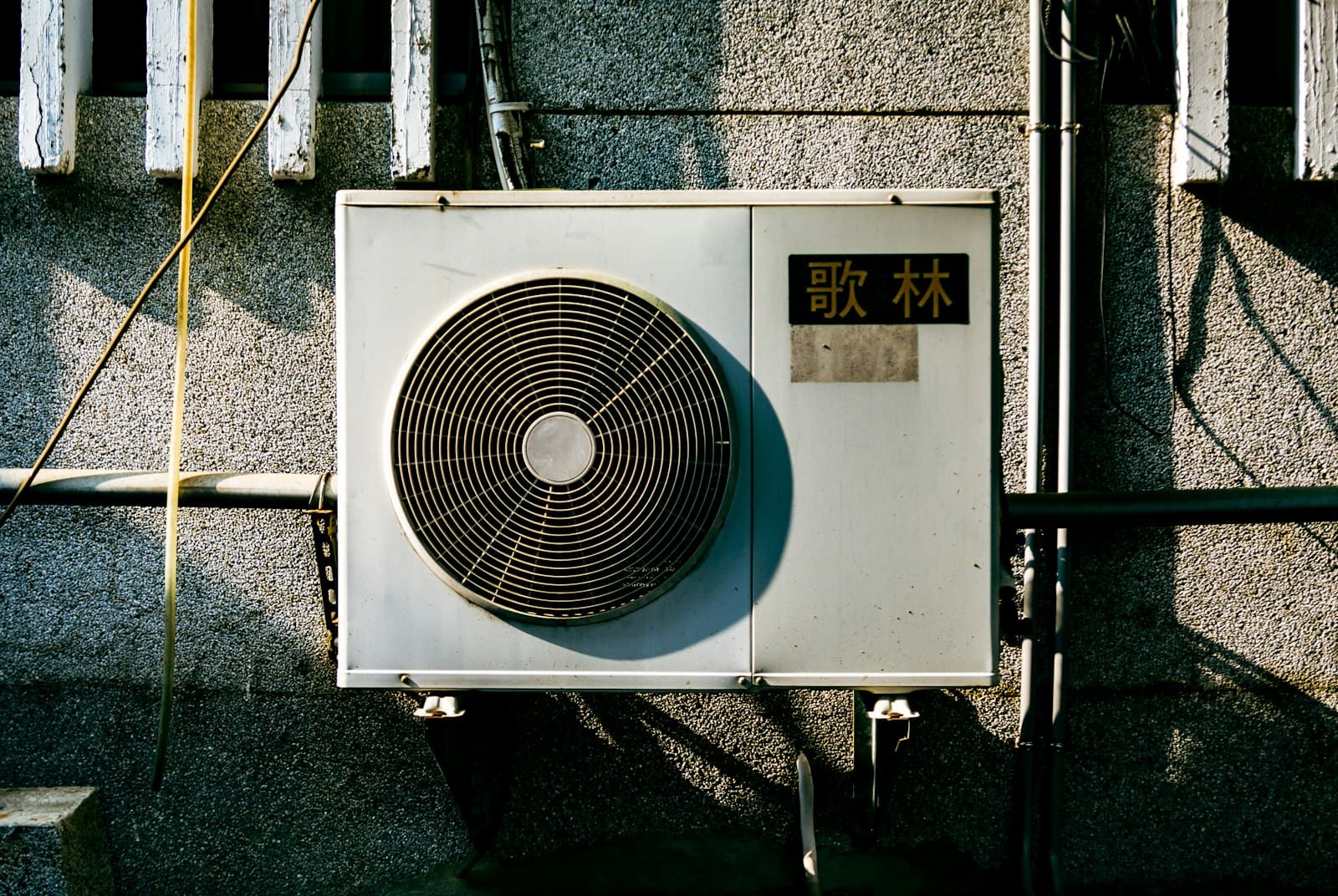
Adding central air to a 1950s Weymouth cape, replacing a tired ducted system in Braintree, or sizing a heat pump that can actually handle a Plymouth nor'easter: these are the projects filling South Shore inboxes right now. The good news is that much of the housing stock here already has ducts, which changes the math compared with older Boston triple-deckers. The challenge is separating licensed, qualified installers from the pressure-sales crowd.
This guide walks through realistic costs, Massachusetts licensing rules, honest heat-pump sizing for a coastal climate, and the red flags that should end a conversation fast. Everything here points back to the state registries you can check yourself before signing anything.
Why South Shore Homes Are a Different HVAC Problem
Much of Quincy, Braintree, Weymouth, Hingham, and Plymouth is postwar: capes, split-levels, and ranches built with ducted forced-air or later retrofitted for it. That matters because homes with existing ductwork are often cheaper and simpler to upgrade than homes that need everything built from scratch.
If your split-level already runs a ducted furnace, adding a coil and condenser for central AC, or swapping the whole system for a ducted heat pump, uses much of the infrastructure you already own. The catch is duct condition. Decades-old ducts leak, sag, and are frequently undersized for the airflow a modern system needs.
Before you price equipment, price the ductwork. A good contractor will inspect for leakage, insulation gaps in unconditioned attics and crawlspaces, and whether the existing runs can move enough air. Skipping this step is how homeowners end up with an expensive system that never cools the back bedrooms.
Coastal resilience is part of the spec
The South Shore takes the brunt of coastal nor'easters, and extended power outages are a routine part of winter here. Any heating conversation has to include what happens when the grid goes down. Forced-air heat pumps and furnaces both need electricity to run their blowers, so backup planning is not optional.
Options worth discussing with your installer and a licensed electrician include a generator hookup with a proper transfer switch, and keeping a secondary heat source such as an existing gas or oil system during a phased transition. Any generator interlock or transfer switch wiring must be done by a state-licensed electrician; that work falls under the Massachusetts Board of State Examiners of Electricians.
What HVAC Work Actually Costs Here
Costs vary widely with home size, duct condition, and equipment tier, so treat any single number with skepticism until a contractor has walked your home. The biggest cost drivers on the South Shore are:
- Duct condition and modifications. Repairing leakage, resizing runs, or extending ductwork into additions can rival the equipment cost.
- Electrical capacity. Heat pumps and added AC may require panel upgrades, again bringing a licensed electrician into the job.
- Equipment tier and efficiency. Higher-efficiency variable-speed systems cost more upfront but qualify for rebates and run cheaper.
- Backup and resilience add-ons. Generator hookups, transfer switches, and retained secondary heat all add scope.
Because estimates swing so much, get itemized quotes from at least three licensed contractors and compare line by line, not just bottom-line totals. To sanity-check what you are being quoted against local pricing, Tavlee runs a live HVAC cost calculator for the Boston metro that reflects real regional numbers.
Watch the deposit. Massachusetts home-improvement law caps upfront deposits, and a contractor demanding a large cash payment before any materials are ordered is a warning sign, which we will return to below.
Massachusetts Licensing: Who Is Allowed to Touch What
This is where a lot of homeowners get tripped up, because HVAC work often involves several separate licenses. In Massachusetts, the trade licensing boards live under the Division of Occupational Licensure, and you can verify any credential through the official check a professional license tool.
Here is the practical breakdown for a typical South Shore install:
- Refrigeration/HVAC work (the AC and heat-pump refrigerant side) is a state-licensed trade under DOL.
- Gas-fired equipment requires a licensed gas fitter. Gas fitting is a separate credential from general plumbing, both administered by the Board of State Examiners of Plumbers and Gas Fitters. If you are keeping or connecting a gas furnace, the person doing the gas connection must hold that license.
- Electrical work (new circuits, panel upgrades, generator transfer switches) must be done by an electrician licensed through the Board of State Examiners of Electricians.
On top of trade licenses, most residential HVAC installs fall under Massachusetts home-improvement law. The state's Home Improvement Contractor program, run by the Office of Consumer Affairs and Business Regulation, sets contract requirements, deposit limits, and homeowner protections. Under MGL c.142A, registered contractors also give you access to the Guaranty Fund if a job goes bad.
Permits are pulled by the contractor, not you. Gas, electrical, and mechanical work require permits and inspections through your town's building department. A contractor who wants to skip the permit is a contractor to walk away from.
This is exactly the layer Tavlee automates: its verified South Shore HVAC listings check each contractor's license against the Massachusetts state registry and weigh reviews across sources, so you start from a shortlist that clears the licensing bar.
Heat Pump vs. Fossil Fuel on the Coast
Heat pumps are the default recommendation for new and replacement systems now, and for South Shore homes with existing ducts, a ducted (centrally ducted) heat pump is often the cleanest path. But coastal winter design temperatures demand honesty about sizing.
Cold-climate heat pumps handle New England winters far better than earlier generations did, but capacity falls as outdoor temperatures drop. The mistake is sizing a heat pump to a mild average day and discovering it struggles on the coldest coastal nights.
Insist on a Manual J load calculation
Proper sizing comes from a Manual J load calculation, not a rule-of-thumb "one ton per 500 square feet" guess. Manual J accounts for your home's actual insulation, windows, air leakage, and orientation, then sizes equipment to your local design temperature.
If a contractor quotes system size without measuring or calculating your home's load, that is not an estimate. That is a guess.
An oversized system short-cycles, dehumidifies poorly, and wears out early. An undersized one leaves you cold in a February storm. Ask every bidder to show their load calculation, and be skeptical of anyone who cannot produce one.
For homes making a phased transition, many South Shore installers set up a hybrid arrangement: a heat pump for most of the season with the existing gas or oil system as backup for the coldest stretches and for outage resilience. Whether that makes sense depends on your ducts, your fuel costs, and your tolerance for complexity.
How to Vet and Compare Quotes
A strong quote reads like a scope document, not a napkin sketch. When you compare bids, look for:
- Verified licenses for every trade involved (HVAC/refrigeration, gas fitter if applicable, electrician), confirmed on Mass.gov, not just claimed.
- A written Manual J load calculation and a clear equipment model, efficiency rating, and capacity.
- Duct assessment findings and any repair or resizing included in the price.
- A signed contract meeting MGL c.142A requirements, with a compliant deposit and a payment schedule tied to milestones.
- Permit responsibility clearly assigned to the contractor.
- Written warranty terms on both equipment and labor.
Compare these line items across bidders. The cheapest number often hides skipped ductwork or an undersized system that costs more later.
Red Flags That Should End the Conversation
Contractor scams are a live problem in Massachusetts. In one recent case reported by Roofing Contractor, a Monson homeowner was approached by a man claiming to be a mason who said the chimney was at risk of collapse and offered to start immediately for $25,000, then began demolition before any permit was pulled and destroyed the chimney along with newly installed siding and roofing.
The playbook in that story maps directly onto HVAC sales pressure. The warning signs are worth memorizing:
- Unsolicited arrival, often right after another crew finished nearby work.
- Pressure for immediate payment or signature before you can compare options.
- Work starting without a signed contract or before a permit is pulled.
- Refusal or inability to provide licensing and insurance.
- Urgent failure claims designed to rush you ("your system will fail this winter").
The fix is simple and non-negotiable: verify the license yourself through the Office of Consumer Affairs and Business Regulation HIC lookup and the state license check, and never let anyone start work without a signed contract.
One more note: storm season is when high-pressure pitches thrive. An outage leaves a home vulnerable — heating loses its blower, sump pumps stop running — and that is exactly when a knock on the door feels persuasive. Plan backup power deliberately with a licensed electrician before the storm, not in reaction to a pitch in the middle of one.
Takeaways and Next Steps
Hiring well on the South Shore comes down to a repeatable checklist. Price the ductwork, not just the box. Demand a Manual J calculation. Verify every trade license on Mass.gov. Get a compliant signed contract with a legal deposit. Plan for outage resilience up front.
Start by pulling three itemized quotes from license-verified installers, cross-check the pricing against the Boston metro cost calculator, and confirm each contractor's HIC registration and trade licenses before any money changes hands. Do that, and you filter out both the underqualified and the outright scammers before they ever set foot in your basement.