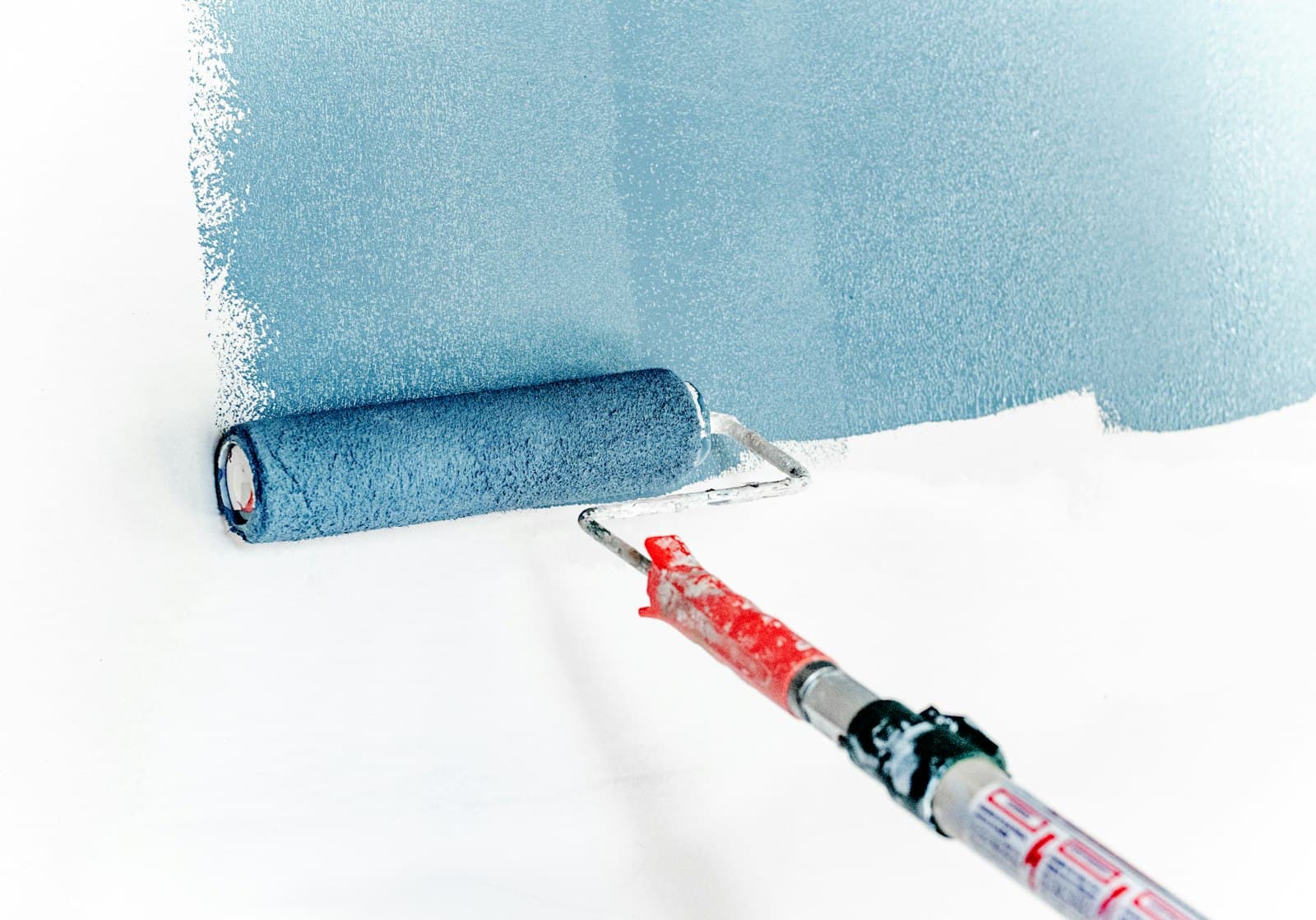
Painting a home in Quincy, Braintree, Weymouth, Hingham, or Plymouth comes with a specific set of variables that a generic estimate never captures. The South Shore's housing stock skews toward smaller capes, split-levels, and postwar homes, many built between the 1940s and 1970s. Add coastal humidity, sea breeze, and shifting shoulder-season temperatures, and you have a project where timing, prep, and contractor vetting matter as much as the paint itself.
This guide walks through what drives interior and exterior painting costs here, the licensing and lead-safe rules Massachusetts homeowners need to know, how to compare quotes without getting burned, and the red flags that separate a solid painter from a problem.
What Drives Interior vs. Exterior Painting Costs
Interior and exterior work price out differently because the labor, prep, and risk profiles are not the same.
Interior painting costs are driven mostly by:
- Square footage and ceiling height
- Number of rooms, doors, trim, and closets
- Wall condition (patching, skim-coating, and priming stains add hours)
- Color changes, especially dark-to-light or covering deep colors
- Whether you are painting trim and ceilings or walls only
Exterior painting on the South Shore adds its own cost drivers:
- Siding type (clapboard, vinyl, and cedar shingles each behave differently)
- Home height and access (staging, ladders, and multi-story work)
- The amount of scraping, sanding, and priming needed on weathered coastal surfaces
- Repairs to rotted trim, fascia, and soffits before paint goes on
Prep is the single biggest swing factor. On a postwar cape in Weymouth or a mid-century split-level in Braintree that has not been painted in a decade, the surface prep can easily exceed the painting labor. That is exactly why two quotes for the "same" job can differ by thousands of dollars.
Because prices vary so much by home and surface, use a local reference point rather than a national average. Tavlee maintains a live Boston-area painter cost calculator that gives you a grounded starting range for the metro before you collect bids.
Capes, Postwar Homes, and Cedar Shingles
The South Shore's smaller one-and-a-half-story capes and split-levels are efficient to paint on the interior, but their exteriors often carry decades of coating buildup. Older layers can be brittle, and on homes built before 1978 that paint is very likely lead-based, which changes the compliance picture entirely (more on that below).
Stain or Paint Cedar Shingles?
Cedar shingle siding and sidewall shakes are common in Hingham and along the coast, and the stain-versus-paint decision is one homeowners ask about constantly.
- Stain penetrates the wood, breathes, and tends to fade rather than peel. It is easier to recoat because you are not fighting a failing film. Semi-transparent and solid stains give you a range from natural wood tones to near-paint coverage.
- Paint builds a film on the surface. It offers the widest color selection and can look crisp, but on cedar it is prone to peeling once moisture gets behind it, and stripping failed paint off shingles is labor-intensive and expensive.
If your shingles have never been painted, most pros lean toward staining to keep future maintenance manageable. If they are already painted, switching back to stain usually is not practical without heavy stripping. The honest answer depends on the current state of your siding, so ask each painter to inspect and explain their recommendation.
Coastal Weather Windows: When to Paint Exteriors
The South Shore's proximity to the water narrows the reliable exterior painting season. Humidity, morning dew, sea breeze, and big shoulder-season temperature swings all affect how paint and stain cure.
Key scheduling realities:
- Moisture is the enemy. Coastal humidity and overnight dew can interfere with cure, especially in spring and fall.
- Temperature swings matter. Many products need surfaces to stay within a range for hours after application, which cool coastal evenings can undercut.
- The prime window is limited. Late spring through early fall generally offers the most stable conditions, but sea breeze and sudden humidity can still cost a crew a day.
Book early. Reputable painters fill their exterior calendars fast for the dependable stretches, and rushing a job into marginal weather is a common cause of premature peeling. Ask each painter how they handle cure times and what conditions will make them pause work.
Massachusetts HIC Registration and Lead-Safe Rules
This is where homeowners protect themselves. Two separate rules apply, and both matter.
Home Improvement Contractor (HIC) Registration
Most house-painting work in Massachusetts falls under Home Improvement Contractor (HIC) registration through the Office of Consumer Affairs and Business Regulation, under Massachusetts home improvement law, MGL c.142A. HIC registration brings contract requirements, deposit limits, and access to the state Guaranty Fund if a dispute arises.
One nuance specific to painters: interior-painting-only contractors are exempt from HIC registration under MGL c.142A section 14. Exterior painting, and painting bundled with other exterior work, generally does require registration. You can verify a contractor's registration through the OCABR Home Improvement Contractor program before you sign anything.
Tavlee is built around this exact step: it verifies contractor registrations against the Massachusetts registries and weighs reviews across sources, so you can start with a shortlist of already-checked pros. You can browse verified South Shore painter listings to see who holds current credentials.
Lead-Safe Certification for Pre-1978 Homes
For the South Shore's abundant pre-1978 housing, lead paint is the bigger compliance issue. Under the federal EPA rule, any firm disturbing painted surfaces in a home built before 1978 must be EPA RRP Lead-Safe Certified. That includes the scraping and sanding that exterior painting requires.
Given that so many Quincy, Weymouth, and Plymouth homes were built in the 1940s through 1970s, this applies to a large share of local projects. The EPA lead program explains the Renovation, Repair and Painting requirements, and Massachusetts runs its own lead-safe renovation program on top of the federal rule.
Two questions to ask every painter on a pre-1978 home:
- Are you EPA RRP Lead-Safe Certified?
- How will you contain, clean up, and dispose of lead paint debris?
A painter who cannot answer these clearly should not be scraping paint on your older home.
How to Vet Painters and Compare Quotes
The hardest part of comparing quotes is that painters often describe the work differently. A low bid frequently means less prep, not a better deal.
Before you compare numbers, confirm the fundamentals:
- Verify licensing and registration. Use the OCABR HIC lookup for exterior work, and Mass.gov's guide to checking a professional license when trades overlap. If your painting job touches electrical, plumbing, or gas, those trades are licensed separately by their own state boards.
- Confirm insurance. Ask for proof of liability and workers' compensation coverage.
- Get it in writing. Massachusetts home improvement law sets contract and deposit-limit requirements for a reason.
Then make the quotes truly comparable by asking each painter to spell out:
- Prep scope. How much scraping, sanding, patching, and priming is included? This is where quotes diverge most.
- Number of coats and the specific products (brand, product line, primer type).
- Surfaces included. Trim, doors, ceilings, soffits, fascia.
- Repairs. Who handles rotted wood or failed caulk, and at what cost?
- Lead-safe procedures on pre-1978 homes.
- Timeline and weather contingencies.
When one bid is far lower, the difference is almost always in prep and coats. Ask the low bidder what they are doing differently, and put the answer in the contract.
Red Flags to Watch For
Contractor fraud is real in Massachusetts, and painting jobs are not immune. In a case reported by Roofing Contractor, a man claiming to be a mason showed up unannounced at a Monson home shortly after a legitimate siding job wrapped, insisted the chimney was about to collapse, offered to start immediately for $25,000, and began demolition before any permit was pulled. By the time the homeowner stopped the work, the chimney was destroyed and the newly installed siding and part of the roof were damaged.
The same warning signs apply directly to painting:
- Unsolicited arrival, especially right after other work was done on your home
- Pressure to pay or sign immediately
- Work starting without a signed contract or before permits where required
- Refusal or inability to show licensing and insurance
- Urgent failure claims designed to rush you into a decision
The core advice mirrors best practice for hiring painters: verify licensing with the Massachusetts Office of Consumer Affairs and Business Regulation, and never let work begin without a signed contract.
Key Takeaways and Next Steps
Hiring a painter on the South Shore comes down to three things: understanding what drives your specific costs, confirming the right credentials for your home, and comparing quotes on prep, not just price.
- Match the recommendation to your siding, especially on cedar shingles in Hingham and coastal areas.
- Schedule exterior work for stable weather windows and respect cure times.
- Verify HIC registration for exterior work and EPA RRP Lead-Safe Certification on any pre-1978 home.
- Make quotes comparable by nailing down prep scope and coats in writing.
Start with a shortlist of already-verified pros through Tavlee's South Shore painter listings, and use the Boston-area cost calculator to set realistic expectations before the first estimate lands.