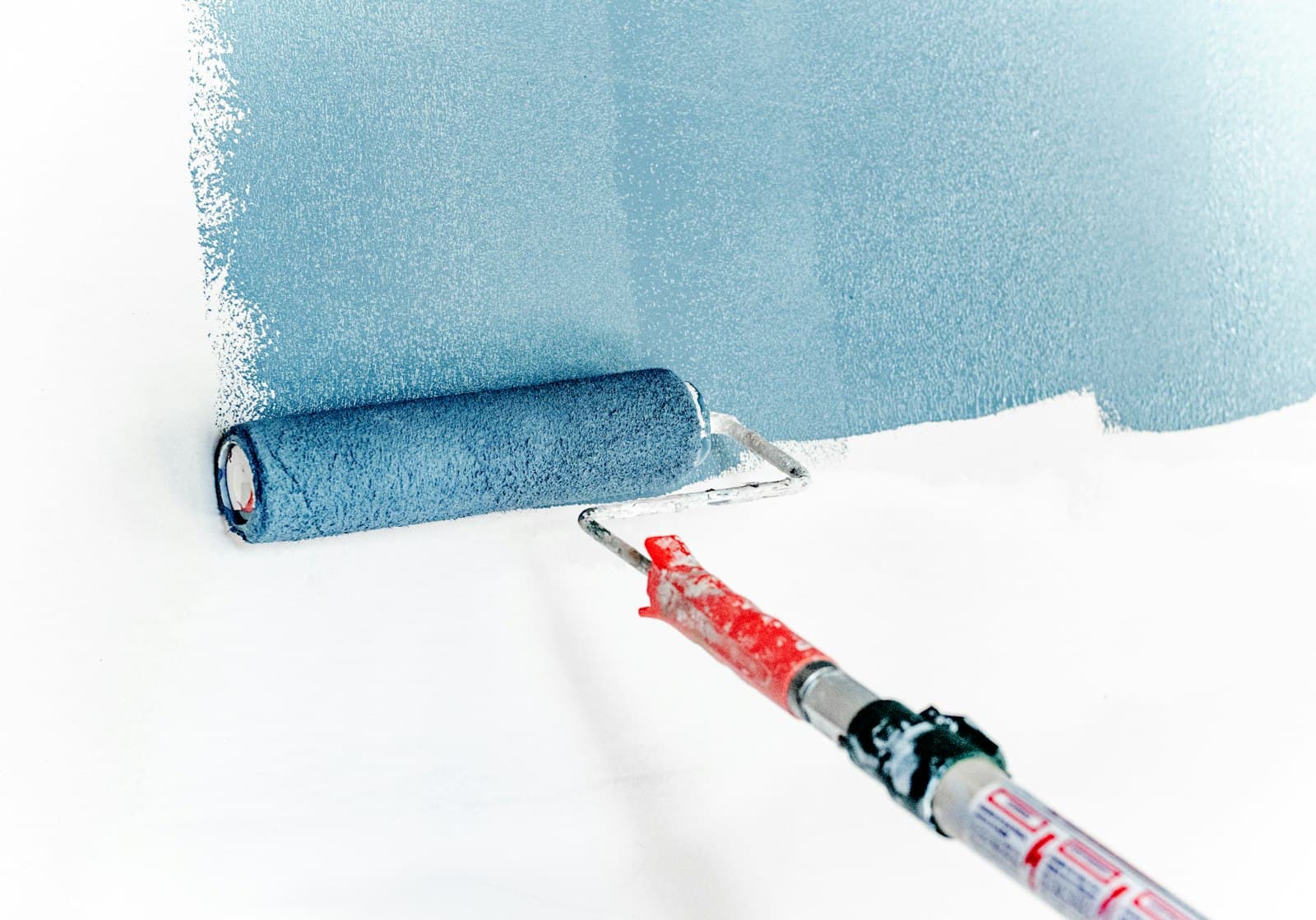
If you own a home in Lynn, Salem, Peabody, Beverly, Gloucester or Marblehead, painting is rarely a simple cosmetic decision. The North Shore is full of antique colonials carrying a century or more of paint layers, and coastal exteriors take a beating that inland homes never see. Getting the job done right means understanding what drives the price, which rules apply to your street, and how to tell a legitimate painter from a fast-talking one.
This guide walks through interior versus exterior costs, Massachusetts licensing and lead-safe requirements, how to compare quotes intelligently, and the warning signs worth taking seriously. The goal is straightforward: help you hire someone who does careful work and stands behind it.
What Painting Actually Costs on the North Shore
Painting quotes swing widely because the underlying work varies so much house to house. Two things drive the number more than anything else: the condition of the surfaces and how much prep they need.
Interior painting
Interior jobs are usually the more predictable of the two. The cost depends on square footage, ceiling height, the number of colors, trim complexity, and whether you need patching or priming over old finishes. Rooms with intricate crown molding, wainscoting, or built-ins, common in older North Shore homes, take longer and cost more per square foot than plain drywall.
Expect to pay more when a painter has to:
- Repair plaster cracks or water damage before painting
- Prime over dark or glossy existing colors
- Hand-cut detailed trim and window sashes
- Work around occupied living space with extra protection
Exterior painting and the coastal factor
Exterior work is where North Shore homes get expensive. Salt air, wind-driven moisture, and strong sun exposure on the water break paint down faster than in inland towns. A home facing the harbor in Marblehead or exposed on the Gloucester coast simply cycles through paint sooner than a sheltered house a few miles inland.
The antique-colonial problem compounds this. Many homes in Salem, Marblehead, Beverly and Gloucester carry many layers of very old paint. That means:
- Heavy scraping to remove failing, alligatored layers
- Chemical stripping in some cases where scraping alone will not do it
- Near-certain lead paint on anything built before 1978, which changes how the work must be done
All of that is labor, and labor is where exterior quotes diverge. A painter who plans to scrape thoroughly, stabilize the wood, prime bare spots, and topcoat will quote higher than one who plans to slap two coats over failing paint. The cheaper quote often means less prep, and less prep on a coastal home means you repaint again far sooner.
To get a sense of local pricing before you call anyone, Tavlee runs a live painting cost calculator for the Boston metro that helps set realistic expectations for the area.
Historic-District Color Rules You Cannot Skip
Here is something owners of a first-period colonial or a Federal-era house learn the hard way: on the North Shore, you may not be free to paint your house whatever color you want.
Towns like Salem and Marblehead maintain historic-district commissions that regulate exterior appearance, including colors, on properties within their districts. In many cases you need approval before repainting the exterior. Changing a color, or even matching a historically inappropriate one, can trigger a review.
Before you commit to a palette:
- Confirm whether your property sits in a local historic district. Your town clerk or the commission itself can tell you.
- Ask what requires approval. Some districts regulate only visible facades; others are stricter.
- Submit for approval before buying paint or scheduling work. Reversing a rejected color is expensive.
A painter who works regularly in Salem or Marblehead should already know these commissions exist. If a contractor waves off the question, that tells you something about how much local work they actually do.
Massachusetts Licensing: HIC Registration
Massachusetts protects homeowners through the Home Improvement Contractor (HIC) program, run by the Office of Consumer Affairs and Business Regulation. The OCABR HIC program sets contract requirements, deposit limits, and consumer protections under state law.
Most house-painting work falls under HIC registration through MGL c.142A. There is an important exception: interior-painting-only contractors are exempt under MGL c.142A section 14. So a firm doing your exterior generally needs HIC registration, while a painter doing only interior work may not.
Why this matters beyond paperwork: registered contractors participate in state consumer protections, and you can verify them. The full Massachusetts home improvement law overview explains HIC registration, mandatory written contracts, and deposit limits. You can also check any professional credential through the state's license verification tool.
Verify licensing before you sign anything, and never let work start without a signed contract. Those two steps prevent the majority of homeowner disputes.
Tavlee automates part of this by verifying contractor registrations against the Massachusetts registries and weighing reviews across sources. You can browse verified North Shore painter listings to start with firms whose registration has already been checked.
Lead-Safe Certification for Pre-1978 Homes
On the North Shore, this is the single biggest compliance issue, and it is not optional.
For homes built before 1978, any firm disturbing painted surfaces must be EPA RRP (Renovation, Repair and Painting) Lead-Safe Certified under federal rule. The EPA's lead program details these requirements. Massachusetts also runs its own lead-safe renovation program on top of the federal one.
Given how many antique colonials in Salem, Beverly, Marblehead and Gloucester carry very old paint, lead is close to a certainty on pre-1978 exteriors. Scraping and sanding those surfaces without lead-safe practices spreads contaminated dust and chips across your yard, where kids and pets play.
When you hire for a pre-1978 home:
- Ask directly whether the firm is EPA RRP Lead-Safe Certified. A legitimate exterior painter working on old North Shore homes should have this and be able to show it.
- Ask how they contain and clean up dust and chips. Proper containment, HEPA cleanup, and disposal are part of the certification.
- Be wary of anyone who dismisses lead as a non-issue on a house that clearly predates 1978.
A painter who scrapes an old colonial with no containment is cutting a corner that carries real health and legal risk.
How to Compare Quotes: Prep Is Where They Differ
The most common mistake homeowners make is comparing quotes on price alone. Two exterior quotes for the same house can differ by thousands, and almost always the difference is prep.
When you collect at least three written quotes, make sure each one spells out:
- Surface preparation: How much scraping, sanding, or stripping? Which areas get taken to bare wood?
- Repairs: Are they replacing rotted trim or clapboards, or painting over them?
- Priming: Are bare and patched areas primed before topcoating?
- Number of coats and product: Which paint, and how many coats?
- Lead-safe practices: For pre-1978 homes, is containment and cleanup included?
- Cleanup and disposal: Especially relevant with lead debris.
A quote that reads "prep and paint exterior" tells you nothing. A quote that itemizes scraping, wood repair, priming, and lead containment tells you the painter actually looked at your house. When one bid is dramatically lower, ask what prep it leaves out. Usually that answer explains the gap.
Remember the coastal repaint cycle when you evaluate value. Paying more for thorough prep on a harbor-facing home in Marblehead or Gloucester often means a longer stretch before you repaint, which is where the real savings live.
Red Flags to Watch For
Contractor scams are not hypothetical in Massachusetts. In a case reported by Roofing Contractor, a Monson homeowner was targeted right after a legitimate siding installation: a man claiming to be a mason insisted the chimney was about to collapse, demanded $25,000 to start immediately, and began demolition before any permit was pulled — destroying the chimney and damaging the new siding and roof before the homeowner could stop him.
The warning signs from that case apply directly to painters knocking on doors in coastal neighborhoods:
- Unsolicited arrival, often right after other work was done on your street
- Pressure for immediate payment or a signature
- Work starting without a signed contract or before permits
- Refusal or inability to provide licensing and insurance
- Urgent failure claims designed to rush your decision
The lesson is exactly right: verify a contractor's Massachusetts registration through OCABR, and never allow work to begin without a signed contract.
Takeaways and Next Steps
Hiring a house painter on the North Shore comes down to a few disciplined habits:
- Budget for prep, especially on antique colonials and coastal exteriors where scraping and lead are near-certain.
- Check historic-district rules in Salem, Marblehead and similar towns before choosing a color.
- Verify HIC registration through OCABR, remembering exterior work generally requires it while interior-only work is exempt.
- Require EPA RRP Lead-Safe Certification on any pre-1978 home.
- Compare quotes on prep, not just price, and treat pressure tactics as a reason to walk away.
Start with contractors whose credentials are already verified. Tavlee checks Massachusetts registrations and aggregates reviews, and you can review verified North Shore painters and run pricing through its Boston-area cost calculator before you make a single call.