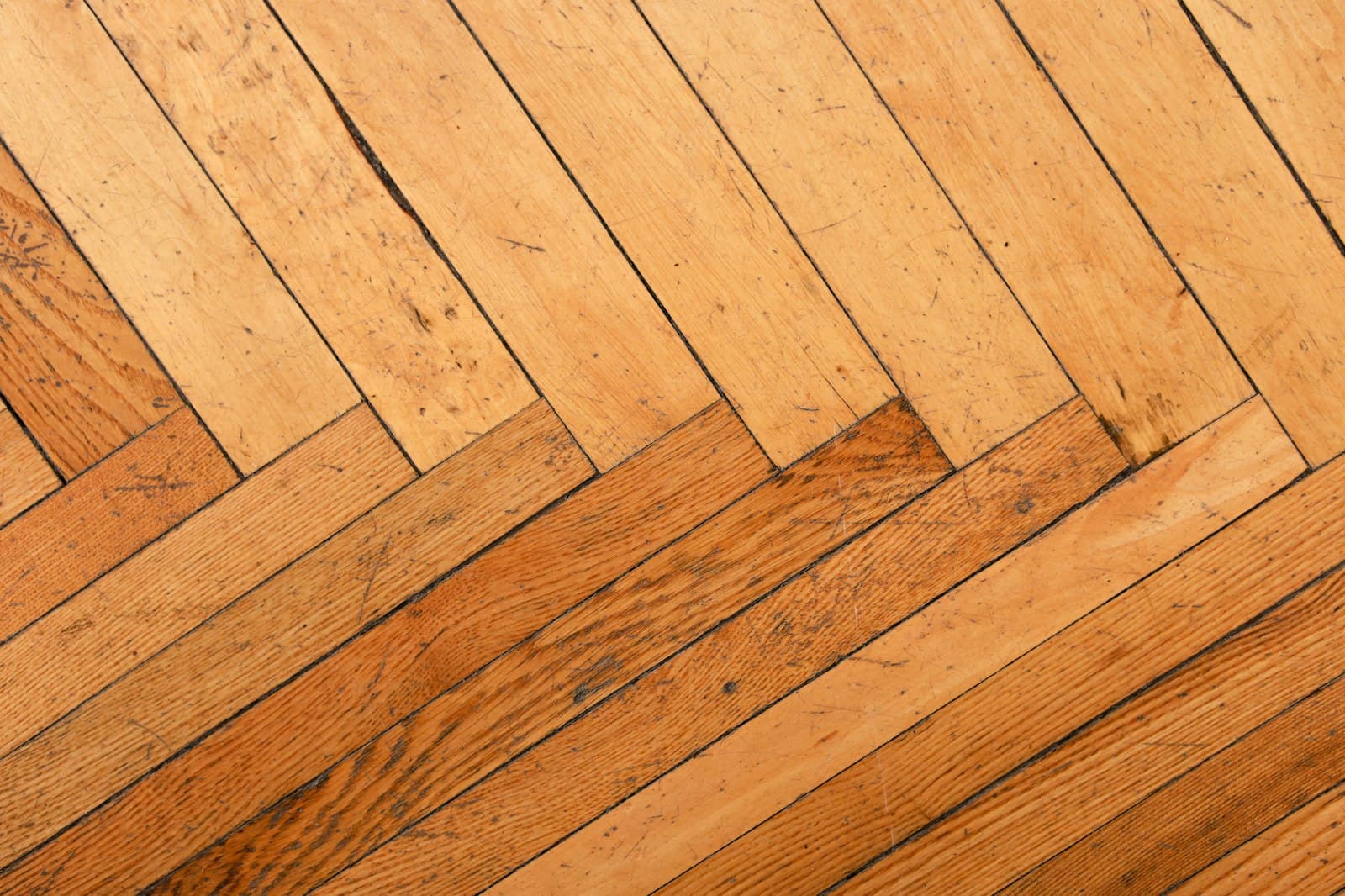
Antique wide-plank floors are part of what makes homes in Salem, Marblehead, Newburyport, and Gloucester feel irreplaceable. When those boards start to cup, gap, or wear thin, the decision to restore or replace carries real money and real consequences for the character of an old house.
This guide walks through refinishing versus installation costs, when antique floors are worth saving, what Massachusetts actually licenses for flooring work, and how to compare quotes without getting burned. The goal is simple: help you hire someone who treats old-growth pine like the finite resource it is.
Refinishing vs. Installation: What Drives the Cost
The first fork in the road is whether you are refinishing what you have or installing something new. The two jobs sit at very different price points, and the variables that push a quote up or down are not always obvious.
Refinishing means sanding down the existing boards, repairing what needs repair, and applying new stain and finish. On the North Shore, cost drivers include:
- Board type and age. Antique eastern white pine and wide-plank softwood behave differently under a sander than modern oak. They demand a lighter touch and more labor, not less.
- Finish choice. Oil-based, water-based, and hardwax-oil finishes vary in price, dry time, and durability.
- Repair scope. Replacing damaged boards, filling gaps, and addressing squeaks all add labor.
- Dust containment. Sanding an occupied home in a historic district often means containment systems and multiple passes.
Installation of new flooring adds material cost on top of labor, plus subfloor prep. If a contractor needs to level a floor, repair joists, or replace a rotted subfloor, you are no longer looking at a cosmetic job.
Because estimates swing so widely by material and prep, start with a range rather than a single number. Tavlee runs a live flooring cost calculator for the Boston metro that lets you sanity-check a quote before you sign anything. Treat it as a baseline, then expect North Shore antique work to trend toward the higher end of labor because of the care those floors require.
The Restore-vs-Replace Decision for Antique Floors
Here is where North Shore homeowners face a choice most Boston condo owners never do. The wide-plank and softwood floors in a 1700s or 1800s home are not a commodity you can reorder. Old-growth eastern white pine, hand-cut nails, and board widths you cannot buy today are the definition of irreplaceable.
Restoration usually wins when:
- The boards are structurally sound even if scratched, stained, or darkened.
- The patina, nail heads, and wide-board character are part of the home's value.
- You are in a historic district where changes to visible features may face review.
Replacement enters the conversation when:
- Boards are rotted, insect-damaged, or too thin to sand safely.
- The subfloor beneath has failed and structural repair is unavoidable.
- Sections are missing and cannot be sourced from salvage.
The biggest risk to an antique floor is not wear. It is an aggressive contractor. A heavy drum sander in inexperienced hands can grind through decades of irreplaceable surface in a single pass. Old-growth pine is soft, and once you cut past the aged surface layer, that patina is gone permanently.
A restoration specialist who understands old floors will often favor gentler methods, hand-work at edges, and the least sanding necessary to bring a floor back. That mindset matters more than any single tool.
Historic Character and District Considerations
Much of Salem, Marblehead, and Newburyport sits within or near local historic districts. While flooring is largely interior and often outside district review, homeowners in these towns tend to place a premium on authenticity, and buyers do too.
Preserving board width, retaining visible hand-cut nails, and keeping the natural color depth of aged wood are worth discussing with any contractor before work begins. Ask directly how they plan to protect original features. A pro who talks about preserving character, not just achieving a uniform new-looking finish, is usually the right hire for an antique home.
Coastal Humidity and Why New England Floors Gap
Anyone who has lived near the water in Gloucester or Marblehead knows the seasonal swing. Summers are humid; winters are dry with the heat running. Wood expands and contracts with that moisture, which is why floors gap in winter and tighten in summer.
This matters for both refinishing and new installation:
- Acclimation is not optional. New flooring should sit in the home long enough to adjust to indoor conditions before installation.
- Moisture testing tells the truth. A contractor who tests the subfloor and the wood before starting is protecting you from callbacks.
- Humidity control extends the result. Managing indoor humidity year-round reduces the seasonal gapping that plagues coastal homes.
If a quote does not mention moisture testing or acclimation, that is a gap you want closed before signing.
What Massachusetts Does and Doesn't License for Flooring
This surprises a lot of homeowners: Massachusetts has no flooring-specific trade license. There is no state "floor installer" credential the way there is for electricians or plumbers.
Here is how the rules actually break down.
Floor-covering-only work
Work limited to floor covering, laying or refinishing finished flooring without touching structure, is often exempt from Home Improvement Contractor (HIC) registration. That does not mean anything goes; it means the licensing framework treats pure floor-covering work differently.
When registration and permits do apply
Once the job goes beyond the surface, the rules change. HIC registration under the Office of Consumer Affairs and Business Regulation, per MGL c.142A, or a Construction Supervisor License plus permits, comes into play when subfloor repairs, leveling, or structural work is in scope. The Massachusetts overview of home improvement law under MGL c.142A spells out HIC registration, contract requirements, and deposit limits.
The Office of Consumer Affairs and Business Regulation runs the HIC program and maintains a lookup plus the Guaranty Fund that protects homeowners who hire registered contractors. If your project touches structure, verifying registration is not a formality; it is your recourse if things go wrong.
Other trades that may enter a flooring job
Floors do not exist in isolation. If your project pulls in other work, remember that Massachusetts licenses those trades separately:
- Electricians must be state-licensed through the Board of State Examiners of Electricians.
- Plumbers and gas fitters are licensed through the Board of State Examiners of Plumbers and Gas Fitters.
You can confirm any credential through the Mass.gov guide to checking a professional license against the official state registry. Do this before money changes hands.
This is exactly the friction that directories try to remove. Tavlee verifies contractor credentials against official registries and weighs reviews across sources, and its verified North Shore flooring listings are a practical starting point when you want to filter for pros who actually check out.
How to Vet and Compare Quotes
Three quotes that all say "refinish floors, $X" tell you almost nothing. The value is in the detail. When you compare, look past the bottom line and read the scope.
- Moisture testing. Does the quote specify testing the wood and subfloor? For coastal homes, this is non-negotiable.
- Prep detail. How many sanding passes, what grit sequence, and how will they handle edges on wide planks? Vague prep language usually means corners will be cut.
- Dust containment. Especially in an occupied historic home, ask how dust will be contained and cleaned.
- Finish and cure time. What product, how many coats, and how long before you can walk on it or move furniture back.
- Repair approach. For antique floors, ask specifically how they will treat old-growth boards and whether they favor gentler methods over heavy drum sanding.
- Written contract. A signed contract is required for HIC-covered work and is smart for any job.
Ask each contractor to itemize. If one quote is dramatically lower, find out what was left out rather than assuming you found a deal.
Red Flags to Watch For
Contractor fraud is not hypothetical in Massachusetts. In one recent case reported by Roofing Contractor, a man claiming to be a mason told a Monson homeowner his chimney was about to collapse, offered to start repairs immediately for $25,000, and allegedly began demolition before any permit was pulled — destroying the chimney and damaging exterior work another crew had just finished. The lesson for flooring hires is the same set of warning signs:
- Unsolicited arrival, often right after another crew has been on your property.
- Pressure for immediate payment or an on-the-spot signature.
- Work starting without a contract or before a required permit is pulled.
- Inability or refusal to provide licensing and insurance.
- Urgent failure claims designed to rush you into a decision.
The core advice applies directly: verify licenses through the Office of Consumer Affairs and Business Regulation, and never let work begin without a signed contract. For flooring specifically, add one more: be wary of anyone who dismisses moisture testing or wants to drum-sand irreplaceable antique boards without hesitation.
Key Takeaways and Next Steps
On the North Shore, the flooring decision is really a preservation decision. Old-growth pine and wide-plank boards are worth restoring whenever they are sound, and the wrong contractor can destroy in an afternoon what took two centuries to earn.
Before you hire:
- Get a cost range from a tool like the Tavlee Boston-metro cost calculator before reading quotes.
- Confirm licensing where structural work applies, using Mass.gov and OCABR.
- Compare scope, not just price, with moisture testing, prep, and dust containment spelled out.
- Watch for pressure tactics and never skip a signed contract.
Start with verified pros through Tavlee's North Shore flooring listings, then interview for someone who respects the age of your home as much as you do.