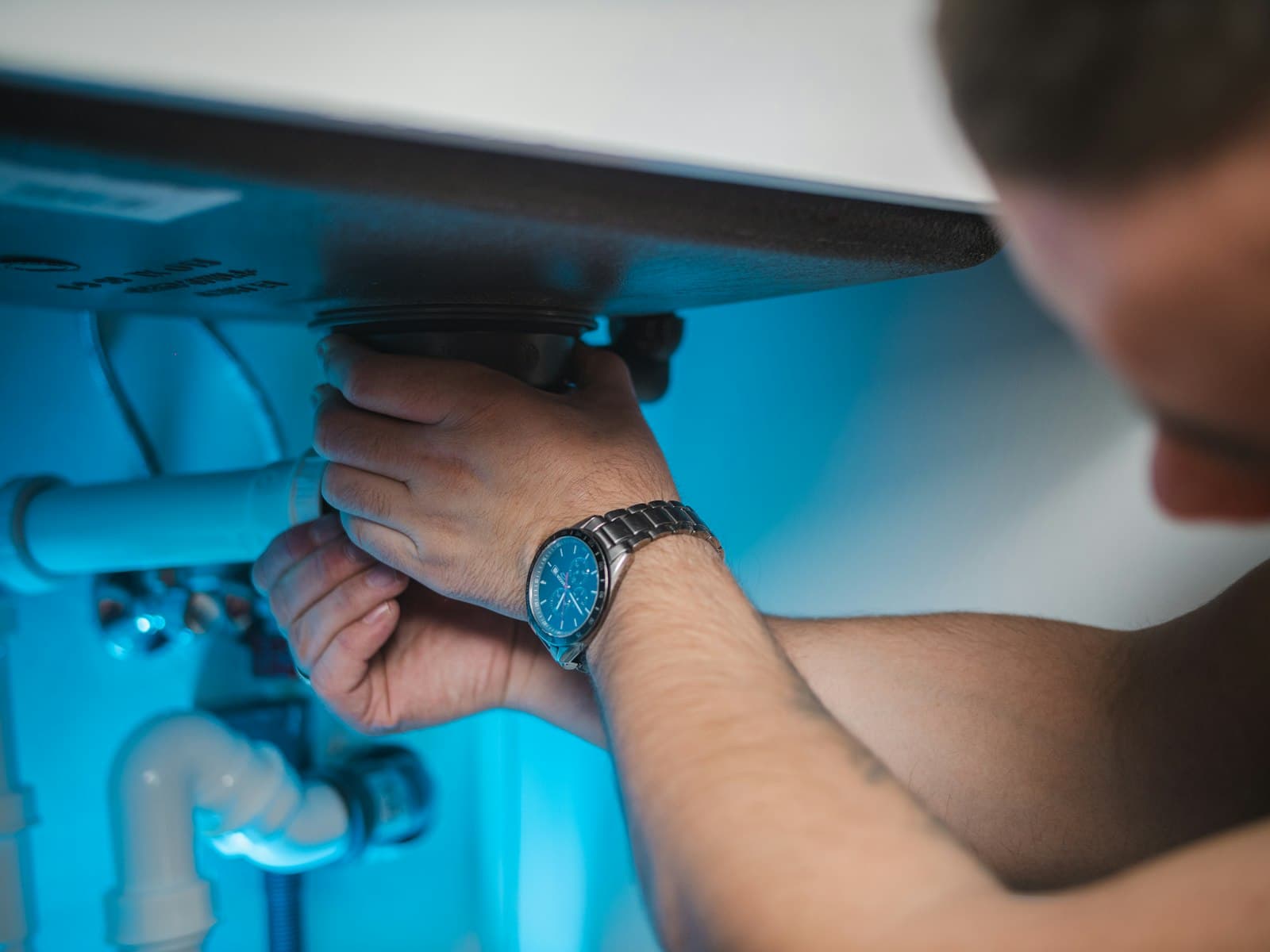
Finding a reliable plumber in Boston is part homework, part vigilance. Between century-old triple-deckers, brownstones with cast-iron stacks, and winters cold enough to burst a neglected pipe, the stakes are high, and so is the cost of hiring the wrong person. This guide walks through what plumbing actually costs in the area, how Massachusetts licensing works, the questions worth asking before anyone touches your pipes, and the warning signs that should send you looking elsewhere.
The good news: Massachusetts gives homeowners real tools to verify who they are hiring. The rest is knowing how to use them, and how to read a quote so you are comparing apples to apples.
What Plumbing Costs in Greater Boston, and What Drives the Price
Boston plumbing prices reflect the housing stock as much as the labor market. Much of the city's older inventory, from Dorchester triple-deckers to Back Bay brownstones, still carries galvanized steel supply lines, cast-iron drain stacks, and in some cases lead service lines. These materials complicate ordinary jobs: a simple faucet swap can turn into a corroded-shutoff replacement, and a drain snaking can reveal a collapsed cast-iron line under a tight basement floor.
Several factors reliably push a Boston plumbing bill up or down:
- Pipe material and age. Galvanized and cast-iron systems are more labor-intensive to work on, and partial repairs often expose the need for larger repiping.
- Access. Cramped basements, finished ceilings, and shared walls in multi-family buildings add hours.
- Emergency timing. After-hours and weekend calls, common during winter freeze events, carry premium rates.
- Permits and inspection. Work that alters the plumbing or gas system typically requires a permit through the Boston Inspectional Services Department, which issues plumbing and gas permits and inspects renovation work.
- Scope creep. Sewer and drain problems in older neighborhoods can escalate quickly, as Haverhill's recent 42-inch force main break, which discharged millions of gallons of untreated sewage into the Merrimack River per the Eagle-Tribune, illustrates on a municipal scale. Aging infrastructure fails, and repairs cascade.
Because quotes swing so widely by job and neighborhood, it helps to start with a local baseline. Tavlee's Boston plumber cost calculator gives area-specific estimates you can carry into conversations with contractors, so a bid that lands far outside the range stands out immediately.
Massachusetts Plumbing Licensing: Who Is Allowed to Do the Work
Here is the single most important fact for anyone hiring in Boston: plumbers in Massachusetts are licensed at the state level. The credential is issued and regulated by the Massachusetts Board of State Examiners of Plumbers and Gas Fitters. A plumber operating anywhere in the Commonwealth, from the North End to Roslindale, must hold a current state license.
Gas fitting is treated separately. A plumbing license does not automatically authorize gas work; gas fitting is its own credential through the same board. If your job involves a gas water heater, a gas line, or a boiler tie-in, confirm the person holds the gas fitting credential specifically, not just a plumbing license.
You do not have to take anyone's word for it. The state maintains a public registry, and the Mass.gov check-a-professional-license page lets you verify a plumber, gas fitter, or other tradesperson against the official record before you hire. This takes a few minutes and is the strongest single step you can take to protect yourself.
Licensing versus home-improvement registration
Don't confuse the plumbing license with home-improvement contractor registration. Massachusetts also runs the Home Improvement Contractor (HIC) program under MGL c.142A. The state's overview of Massachusetts home-improvement law explains HIC registration, contract requirements, deposit limits, and homeowner protections. For larger renovations, you may be dealing with both a licensed plumber and an HIC-registered general contractor, and each credential is verified differently.
To cut through the cross-referencing, Tavlee's verified Boston plumber listings check every plumber's license against the Massachusetts state registry and weigh reviews across multiple sources, so the verification step is done before you ever pick up the phone.
Questions to Ask Before You Sign
A short, direct conversation reveals a lot. Ask every candidate the same questions so you can compare answers fairly:
- What is your Massachusetts plumbing license number, and does this job involve gas fitting? A licensed professional answers without hesitation. If gas is involved, confirm the separate gas fitting credential.
- Will you pull the required permit through Boston Inspectional Services? Legitimate contractors expect to permit work that alters the system. Reluctance is a signal.
- Is the quote itemized? Look for labor, materials, permit fees, and disposal broken out. Upfront, fixed pricing before work begins is a mark of a serious operator; several reputable companies build their process around exactly that.
- What is the deposit, and how are payments scheduled? Massachusetts law caps deposits and structures homeowner protections under MGL c.142A. Be wary of demands for large payments before work starts.
- Do you carry insurance, and can you show proof? Unlicensed or uninsured work can create liability and safety issues, and can complicate an insurance claim later.
- What warranty covers the work? Written warranties on parts and labor separate professionals from one-off operators.
How to compare quotes without getting fooled by the low number
The cheapest bid is not automatically the best value, and the most expensive is not automatically the most thorough. Line up quotes side by side and check that each covers the same scope: same materials, same permit handling, same warranty terms. A lowball number often omits permit fees, disposal, or the corroded shutoff the plumber will 'discover' mid-job. Use your local cost baseline as the reference point, and ask each contractor to explain any figure that sits well above or below it.
Red Flags That Should Stop You Cold
Contractor fraud is not hypothetical in Massachusetts. A recent case reported by Roofing Contractor shows how fast it can go wrong. In Monson, a man claiming to be a mason told a homeowner his chimney was at risk of collapse and offered to start immediately for $25,000. According to the account, the man began swinging a sledgehammer before any permit was pulled, and when the homeowner tried to stop him, the chimney was destroyed and previously installed siding and roofing were damaged.
The original siding installer recognized the tactic and urged the homeowner to contact authorities, who took the individuals into custody. The same warning signs the article flags apply directly to plumbing:
- Unsolicited arrival, often right after another contractor has been on your property.
- Pressure for immediate payment or an on-the-spot signature.
- Work starting before a signed contract or permit is in place.
- Inability or refusal to provide license and insurance details.
- Urgent failure claims designed to rush you, such as insisting a system will fail imminently unless you act now.
The fix is the same in every case: verify the license against the state registry, require a signed contract before any work begins, and never let someone start swinging tools on a verbal promise.
Takeaways and Next Steps
Hiring a plumber in Boston comes down to three habits. First, verify the license, and confirm gas fitting separately if the job touches gas. Second, get itemized quotes and measure them against a realistic local cost baseline. Third, insist on a signed contract and a permit before work starts, and treat pressure and urgency as reasons to walk away.
Start by pulling a shortlist of verified professionals and a cost estimate, then run your own license check through Mass.gov and make sure any permit-worthy job goes through Boston Inspectional Services. A little upfront diligence is far cheaper than a bad repair.