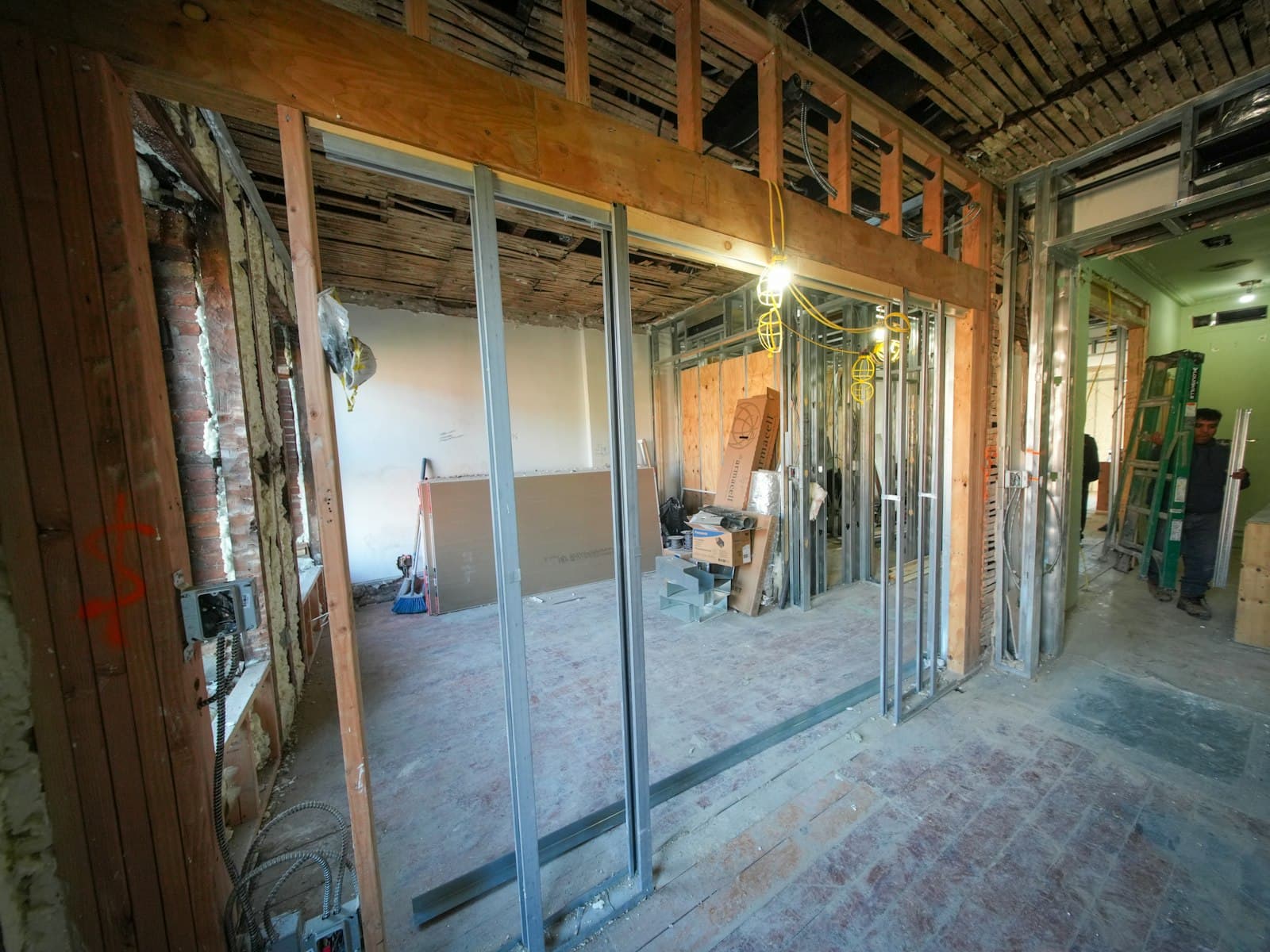
Hiring a general contractor in Boston is rarely a simple transaction. Between triple-decker gut renovations, brownstone restorations in the South End, tight streets that complicate every delivery, and a layered licensing system, the margin for error is wide. Getting the paperwork, permits, and payments right up front protects both your budget and your home.
This guide walks through what a GC actually costs here, which credentials your project legally requires, how Massachusetts law governs your contract and deposit, and the red flags that separate a legitimate pro from a fraud. Everything below is grounded in official state and city resources so you can verify it yourself.
What a General Contractor Costs in Greater Boston
Most GCs price a job one of two ways, and knowing the difference helps you read a bid correctly.
- Fixed bid (lump sum): The contractor commits to a single price for a defined scope. Predictable for you, but change orders can add up fast if the scope shifts.
- Cost-plus: You pay the actual cost of labor and materials plus an agreed markup or fee. More transparent on real costs, but the final number is less certain.
General contractor markup typically covers overhead, coordination of subcontractors, and profit. On a gut renovation, a large share of the total is the trades a GC manages rather than performs directly, since electrical and plumbing must go to separately licensed professionals (more on that below).
Because Boston project costs swing widely by neighborhood, building type, and finish level, use a live tool rather than a rule of thumb. Tavlee maintains a Boston general contractor cost calculator that reflects local pricing, and its verified GC listings for Boston weigh reviews across sources and check registration against the state registries.
HIC Registration vs. CSL License: Which Your Project Needs
One of the most common points of confusion in Massachusetts is that "licensed and registered" refers to two different things.
Home Improvement Contractor (HIC) registration is a consumer-protection registration run by the Office of Consumer Affairs and Business Regulation under MGL c.142A. Most residential contractors doing improvement work need it. HIC registration is what gives you access to the state's contract requirements, deposit limits, and the Guaranty Fund.
A Construction Supervisor License (CSL) is a competency license issued under the state building code, required for structural work. It certifies that the holder is qualified to oversee that work.
The distinction matters:
- HIC = a consumer-protection registration.
- CSL = a competency license for structural work.
Many reputable contractors hold both. A gut renovation that touches load-bearing walls or framing generally involves CSL-level work, while the broader remodel falls under HIC.
Plumbing and electrical are separate again. Electrical work must be done by a state-licensed electrician overseen by the Board of State Examiners of Electricians, and plumbing and gas fitting by professionals licensed through the Board of State Examiners of Plumbers and Gas Fitters. Note that gas fitting is its own credential distinct from plumbing.
How to Verify Before You Sign
Don't take a business card at face value. Verify every credential against the official registries:
- HIC registration: Confirm through OCABR.
- Trade licenses (CSL holders, plumbers, electricians and more): Use the state's check a professional license tool, housed under the Division of Occupational Licensure.
Contracts, Deposits, and Payment Schedules Under Massachusetts Law
MGL c.142A sets rules that protect homeowners, and the biggest one is that the work needs a signed written contract before it begins. A verbal handshake is not enough, and any contractor who wants to start without one is a warning sign.
On deposits, Massachusetts law caps the up-front deposit at one-third of the total contract price, except where special-order materials require more. That cap exists precisely to prevent homeowners from over-committing before work is done.
A sound contract should spell out:
- The full scope of work and materials.
- A payment schedule tied to milestones, not arbitrary dates.
- The total price and how change orders will be handled.
- The contractor's HIC registration number.
- Warranty terms and a projected timeline.
The state's home-improvement law overview lays out these protections, including the Guaranty Fund available to homeowners who hired a registered contractor. That Guaranty Fund is one more reason to insist on HIC registration: it is a backstop you forfeit by hiring an unregistered operator.
Gut Renovations in Triple-Deckers and Brownstones
Boston's housing stock skews toward older triple-deckers and brownstones, and gut renovations here carry logistics you won't find in the suburbs.
Condo and Association Approvals
If your unit sits in a condo association or a converted triple-decker, your renovation likely needs association approval before any permit or demolition. Review your governing documents early. Structural changes, plumbing reroutes, and anything affecting shared walls or systems typically require sign-off, and skipping that step can stall a project or trigger disputes with neighbors.
Historic-District Review
Properties in districts like the South End Landmark District face design review on exterior changes. Windows, facades, and street-facing details may need approval before work proceeds. Build this review time into your schedule; it is not a formality you can rush.
Tight-Site Logistics
Narrow streets make staging its own project. Plan for:
- Street staging and parking for crews and deliveries.
- Dumpster permits on tight streets where placement is restricted.
- Coordinating material drops so a gut demo doesn't block neighbors.
A GC who works Boston regularly should handle these details as part of the job, not treat them as surprises.
Boston ISD Permits
Permits are non-negotiable, and in the city they run through the Boston Inspectional Services Department. ISD issues building, plumbing, gas, and electrical permits and performs the inspections that follow.
A legitimate contractor pulls the correct permits before work starts. The permit process also creates an inspection trail that protects you if something is done incorrectly. If a contractor suggests skipping permits to save time or money, treat it as a serious problem, not a shortcut.
Red Flags: Lessons From a Real Massachusetts Scam
Contractor fraud is not hypothetical here. In a recent case in Monson, Massachusetts, reported by Roofing Contractor, a man claiming to be a mason showed up unsolicited shortly after a legitimate crew had finished siding work, told the homeowner his chimney was at risk of collapse, and offered to start repairs immediately for $25,000. He began swinging a sledgehammer before any permit was pulled; by the time the homeowner intervened, the chimney was destroyed and the new siding and part of the roof were damaged. Authorities were called and the individuals were taken into custody.
The case highlights warning signs every homeowner should memorize:
- Unsolicited arrival, often right after another crew has been on the property.
- Pressure for immediate payment or a signature.
- Work starting without a contract or before a deposit and permit.
- Refusal or inability to provide licensing and insurance.
- Urgent "your home will fail" claims designed to rush you into a decision.
The lesson lines up exactly with state law: verify registration with OCABR and never let work begin without a signed contract and the right permits.
How to Vet and Compare Bids
Collect at least three bids and read them side by side, not just on price. A suspiciously low bid often signals cut corners, unpermitted work, or a change-order trap later.
Before signing, confirm:
- HIC registration and any required CSL, verified through the state registries.
- That subcontractors for plumbing and electrical are separately licensed.
- Proof of insurance.
- A written contract meeting MGL c.142A requirements.
- References you actually contact.
Tavlee's verified Boston GC listings shortcut the registration check by validating HIC and license status against the Massachusetts registries and weighing reviews across sources, which is a useful starting point before you make calls.
Key Takeaways
- Understand whether your bid is fixed or cost-plus, and use the Boston cost calculator to sanity-check pricing.
- HIC is a consumer registration; CSL is a competency license for structural work; plumbing and electrical go to separately licensed trades.
- Massachusetts caps deposits at one-third of the contract price, and work requires a signed written contract first.
- Pull ISD permits, secure condo and historic-district approvals, and plan tight-site logistics before demo day.
- Verify credentials with OCABR and the state license lookup, and walk away from any pressure-driven, unpermitted, unsolicited offer.