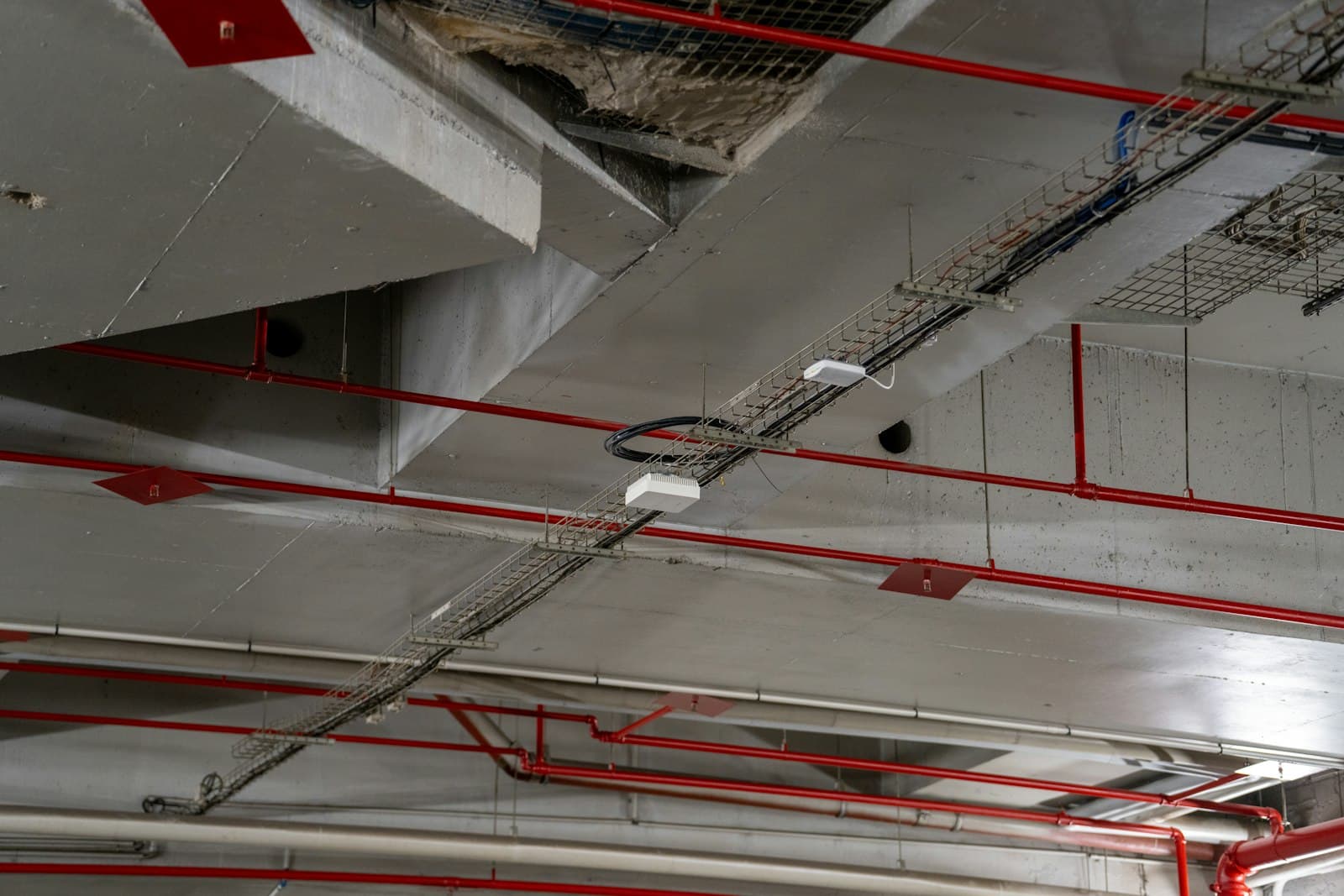
A home improvement project should end with the work done and the money well spent. Too often it ends the other way around: the check clears, and the job sits half-finished. That is the pattern officials describe in a case now under investigation in Massachusetts. According to Boston Globe reporting, MassHousing concluded it paid roughly $700,000 in grants for fire sprinkler systems at nine sober homes, determined the recipient had misrepresented the extent of completed work at seven of them, demanded repayment of more than $430,000, and referred the matter to the state attorney general. The recipient denies wrongdoing and says he eventually completed all but two of the jobs. However that investigation resolves, the pattern it describes is the same one homeowners run into when they pay before they verify.
Whether public grant money or your own savings is on the line, the lesson holds. Payment should follow completed, inspected work, not promises. Here is how to protect yourself, grounded in what the documented cases show.
The core failure: paying ahead of the work
When a contractor collects money for work that is never fully completed, the money is the leverage you have already given away. Once it is gone, your options shrink to complaints, claims, and lawsuits, all of which cost time you did not plan to spend.
The investigative reporting that Tavlee cites underscores how personable operators exploit trust. In the NBC Connecticut investigation referenced in Tavlee's estimate guide, six homeowners paid a likable contractor for masonry and foundation work that did not fix their problems. Being charming is not the same as being competent, and it is definitely not the same as finishing the job.
That same investigation, as summarized in Tavlee's Massachusetts license verification guide, tracked a contractor tied to at least five company names who took money from homeowners in both Connecticut and Massachusetts. Multiple company identities are a classic way to outrun a bad track record.
Structure payment so it protects you
The single most effective defense is a payment schedule tied to milestones, not to the calendar or to the contractor's cash-flow needs.
Tavlee's guidance on reading estimates recommends looking for a milestone-based payment schedule with a deposit in the 10-30 percent range. A legitimate estimate spells out what triggers each payment. If the contractor wants most of the money up front, that is a warning, not a convenience.
- Cap the deposit. Keep it modest and never hand over the full amount before work begins.
- Tie payments to verifiable progress. Rough-in complete, inspection passed, materials delivered on site.
- Hold a final payment until the job is finished and inspected. This is your leverage to get punch-list items done.
The National Insurance Crime Bureau warning cited by Tavlee about upfront cash demands applies directly here. Requests for large sums before any work happens are among the most reliable red flags.
Verify the work at each stage
With grant-funded work like a sprinkler installation, a third party often expects to inspect before releasing funds. Homeowners paying out of pocket should borrow that same discipline.
- Require permits and confirm who pulls them. Tavlee's license guide stresses confirming the contractor, not you, pulls the permit. A pulled permit means an inspector will look at the work.
- Match completed work to the itemized scope. Compare what is done against the named brands, specs, and quantities in the estimate. Vague "quality materials" language, as the estimate guide notes, hides substitutions.
- Do not sign off on progress you have not seen. Walk the site. Photograph milestones. Keep dated records.
- Wait for the inspection to pass before the corresponding payment.
Take the time to research and verify before you commit money.
That sentiment, echoed by Gulfport PD's Lt. Jason Ducre in Tavlee's estimate guide, costs you nothing but patience and saves you the far larger cost of chasing a contractor after the fact.
Verify the contractor before the first dollar
Every bit of after-the-fact recovery is harder than up-front verification. In Massachusetts, that means checking two credentials.
- Home Improvement Contractor (HIC) registration with OCABR.
- Construction Supervisor License (CSL) with the BBRS.
Tavlee's Massachusetts verification walkthrough lays out a five-step process: ask for the numbers in writing, check the state lookup, review complaints and disciplinary actions, confirm the contractor pulls the permit, and verify insurance and bonding. You can research and confirm a contractor's credentials through the Tavlee contractor directory for Greater Boston before you hand over a deposit.
The stakes of skipping this show up plainly in another case Tavlee cites: a Washington State contractor whose license L&I suspended after more than 40 complaints and roughly $1.19 million in alleged fraud. Numbers like that accumulate one unverified homeowner at a time.
Watch for the red flags that precede unfinished work
Contractors who leave work incomplete tend to announce themselves before the check clears. Tavlee's guides flag the recurring signals:
- Door-to-door or storm-chasing solicitation.
- Unusually low bids that undercut everyone else.
- Demands for large upfront payments.
- Pressure to sign fast.
- No written contract, or a contract with blank lines.
- An owner operating under multiple company names.
On that last point, Richmond Police told Tavlee's estimate guide that blank spaces in a contract can be filled in later, against you. Never sign a document with open fields.
Know your remedies if the work still falls short
Even careful homeowners get burned. Massachusetts gives you routes to recover, per Tavlee's verification guide:
- File an OCABR complaint and, if eligible, a Guaranty Fund claim.
- Contact the Attorney General's consumer protection division.
- File a police report if fraud is involved.
- Report to the BBB to warn others.
These remedies work best when you have documentation: the signed contract, the itemized estimate, dated photos, permit records, and proof of what you paid and when.
The takeaways
The MassHousing case is a reminder that the safeguards are the same whether the funds are public or personal:
- Verify the license and credentials first, through the state lookup and a directory like Tavlee.
- Structure payments around milestones and inspections, with a modest deposit and a withheld final payment.
- Inspect and document each stage before releasing the corresponding funds.
- Treat red flags as disqualifiers, not quirks to overlook.
Money paid is leverage lost. Keep the leverage until the work is actually done, and the odds of a finished, inspected job move firmly in your favor.