Contractor fraud targeting homeowners is not a rare or distant problem. It is happening right now, across multiple states, and the people most often hurt are older adults who answer the door, trust a friendly face, and hand over money before anyone has lifted a tool.
The pattern is consistent enough that law enforcement agencies, state attorneys general, and federal investigators are all sounding the alarm at the same time. Understanding how these scams work - and what stops them - is the most practical thing a homeowner can do before the next knock at the door.
Why Older Homeowners Are Targeted
Door-to-door contractor scams succeed because they exploit two things: urgency and trust. A stranger shows up claiming to have leftover asphalt from a nearby job, or spots a crack in your driveway from the street, or says your roof looks damaged after last week's storm. The pitch is friendly, the price sounds reasonable, and the pressure is subtle at first.
A six-month investigation by NBC Connecticut Responds identified six homeowners in Connecticut and Massachusetts who said the same contractor - identified as "Jason" - represented at least five different construction-related companies tied to masonry, waterproofing, chimney, and foundation work. Homeowners described him as charming and trustworthy. The work did not fix their problems, phone numbers went dead, and warranties were never honored.
"Don't believe the kindness. He's a manipulator, a liar," said Liz Pereira, a Millbury, Massachusetts homeowner, about the contractor she hired.
Homeland Security Investigations told NBC Connecticut that a related pattern has been rising across New England over the last few years. Fraud groups are hard to track because they "reinvent themselves" and move from state to state.
The Classic Driveway Paving Scam
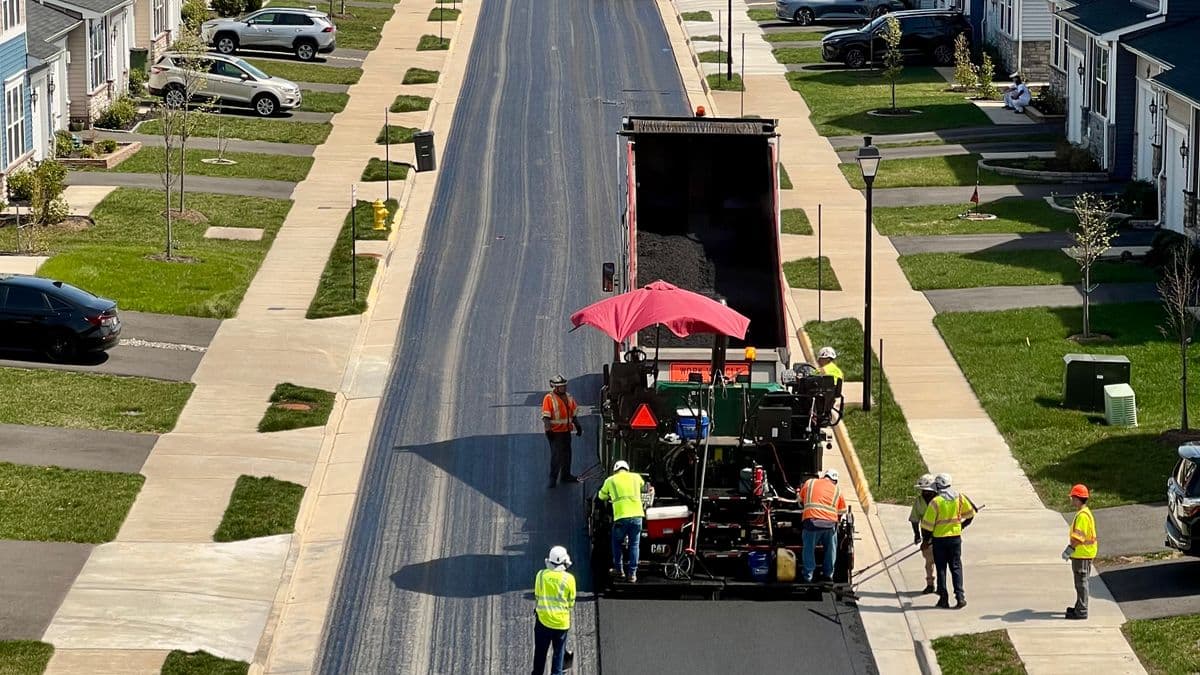
Driveway paving is one of the oldest door-to-door scams in the book, and it still works. The setup is almost always the same:
- A crew shows up unannounced claiming they have leftover asphalt from a job down the street.
- They offer a price far below what a licensed paving company would charge.
- They pressure you to decide on the spot, sometimes within minutes.
- They demand a large cash payment upfront before any work begins.
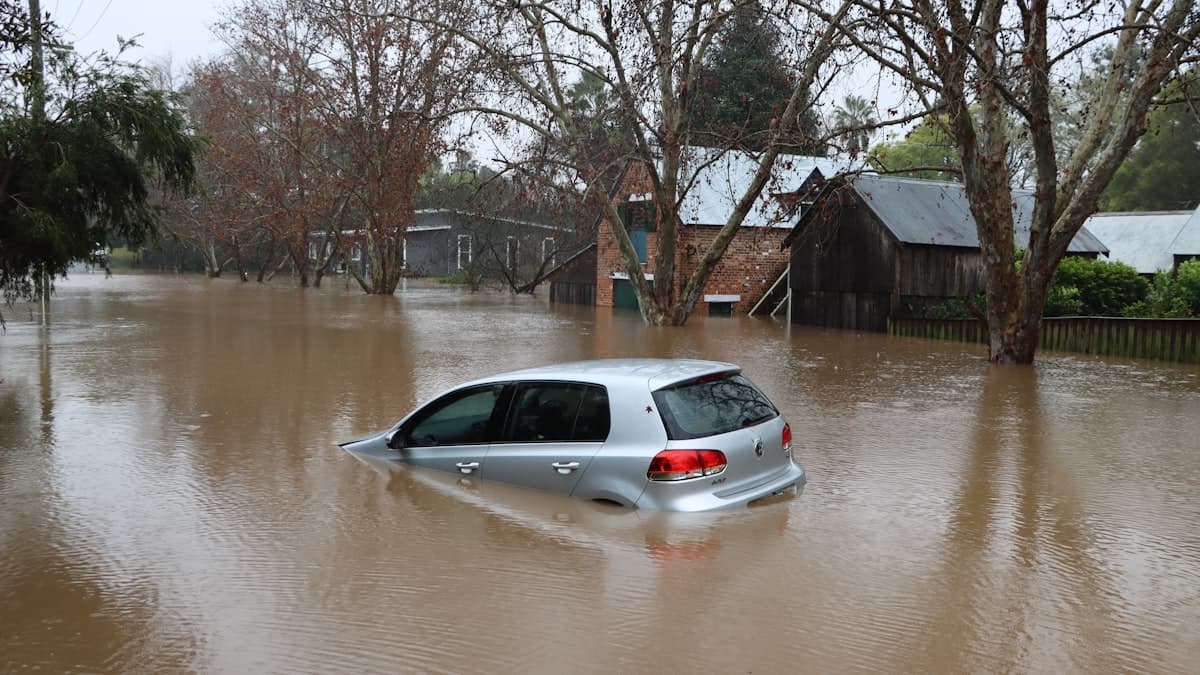
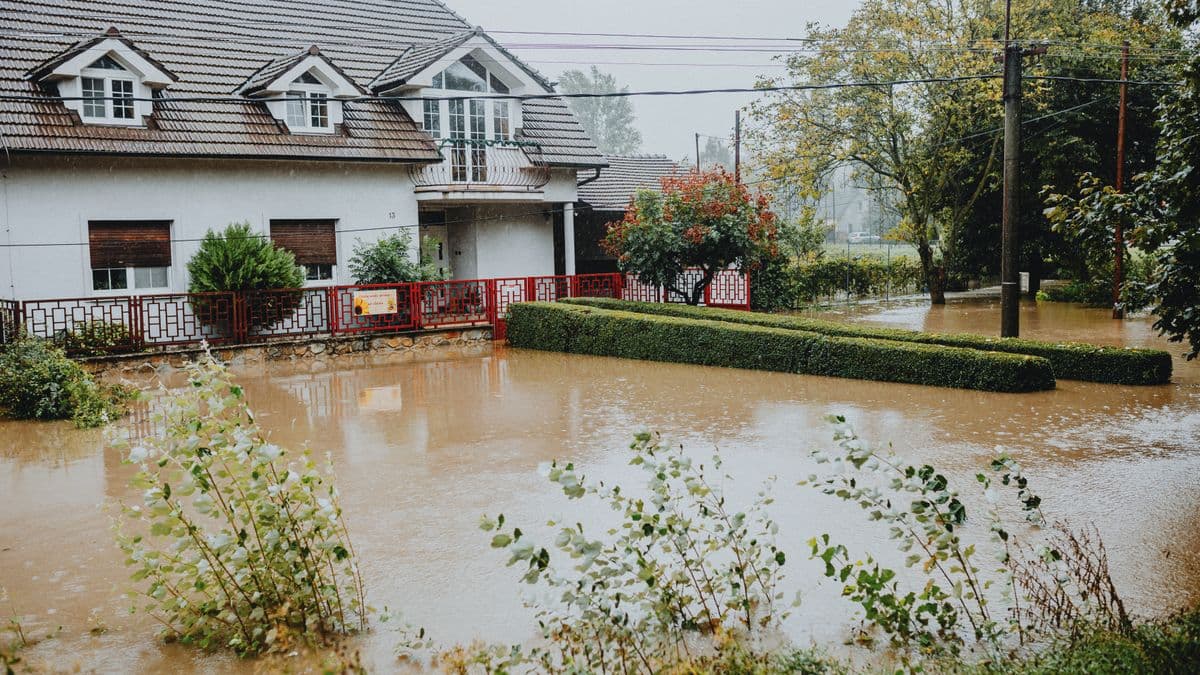
The result is either no work at all, or a thin layer of material that washes away in the first rain. Gulf Coast officials warned residents after recent flooding that these exact tactics - unannounced visits, claims of leftover materials, and unusually low prices - are among the clearest red flags for contractor fraud.
Gulfport PD Lt. Jason Ducre put it plainly:
"Storm repair can be stressful as it is and if you rush into it, it can make a bad situation even worse. So, you want to verify. You want to do your research before handing someone a lot of money. That's the thing with scammers; they are going to come into your house and see you're in a time of need. They are going to sell you the best product they have and they are going to rush you."
That same advice applies whether or not there has been a storm. The rush is the tactic.
What "Storm Chaser" Scams Look Like
After any major weather event - flooding, tornadoes, high winds - a second wave of damage often follows: fraudulent contractors who descend on affected neighborhoods before legitimate companies can respond.
Following destructive storms across Indiana, the Indiana Attorney General's Office warned residents about predatory "storm chasers" who offer rapid, low-cost repairs, pressure homeowners for large upfront payments, and then disappear or perform dangerous, inferior work. Indiana AG Todd Rokita stated:
"Storms can be unpredictable and devastating, but the aftermath can be even worse, potentially leaving you vulnerable to financial ruin."
The National Insurance Crime Bureau issued a parallel warning to Illinois homeowners after severe weather. NICB President and CEO David Glawe said:
"After destructive storms, most families and businesses want to start the recovery process as soon as possible. This is when home and business owners must be most vigilant, as fraudsters use this opportunity to swoop in."
Richmond Police in Kentucky added specific warning signs to watch for: contractors claiming approval by FEMA or other agencies, out-of-state contractors showing up uninvited, demands for upfront payment to schedule work, and pressure to quickly sign electronic documents.
FEMA does not charge application fees for federal disaster aid. Any contractor who claims a FEMA connection to justify a fee or speed up a decision is lying.
A Real Case: $40,000 Gone
The consequences of skipping verification steps are not abstract. In Flagler County, Florida, a Palm Coast couple wired $40,000 to Sunshine State Contractor Services, LLC after signing an agreement requiring renovations to be finished within three months. According to WFTV, deputies said contractor Michael Struhar appeared once, painted a single wall, and then stopped responding entirely. A certified refund demand letter was ignored.
Investigators reported that bank records showed large cash and debit-card withdrawals and more than $33,500 in Zelle payments shortly after the wire transfer, with none of the money spent on materials for the couple's home.
Sheriff Rick Staly summarized it bluntly: "He painted one wall and called it a day."
Struhar faces a charge of grand theft. The couple's money is gone. This is what happens when a contract is signed and payment is wired before any credentials are checked.
How to Verify a Contractor Before You Pay Anything
Verification is not complicated, but it does require doing it before you agree to anything. Here is a practical checklist:
Check the License
Every state maintains a public registry of licensed contractors. In Massachusetts, the Office of Consumer Affairs and Business Regulation handles home improvement contractor registration. In Connecticut, the Department of Consumer Protection registers contractors. Illinois Attorney General Kwame Raoul specifically noted that roofers are licensed by the Illinois Department of Financial and Professional Regulation, plumbers by the Illinois Department of Public Health, and public adjusters by the Illinois Department of Insurance.
If a contractor cannot give you a license number, or if the number does not match the state registry, stop there.
A service like Tavlee can help Boston-area homeowners skip the manual search. Tavlee is a directory of licensed home contractors that verifies licenses against the state registry, so you are not relying on a business card or a verbal claim.
Get Multiple Written Estimates
Every official source cited in this post - the Indiana AG, the Illinois AG, the NICB, Richmond Police, and Gulfport PD - recommends getting at least two or three estimates before hiring anyone. A price that is dramatically lower than the others is a warning sign, not a deal.
Never Pay in Full Upfront
A reasonable deposit for materials is normal. Paying the full project cost before work begins is not. Richmond Police specifically advised residents to withhold full payment until work is completed and inspected. If a contractor insists on full payment upfront, walk away.
Avoid cash and peer-to-peer payment apps like Zelle or Venmo for contractor payments. The Flagler County case shows exactly why: once that money moves, recovering it is extremely difficult.
Check References and Reviews
Ask for references from recent local jobs and actually call them. Search the company name online along with words like "complaint" or "scam." The NBC Connecticut investigation found that multiple homeowners had hired the same contractor without knowing about each other's bad experiences - a problem that better research might have surfaced.
Understand Your Cancellation Rights
If a contractor shows up at your door and you sign something on the spot, you may have a right to cancel. Do not let anyone pressure you into waiving that window.
Specific Red Flags for Older Homeowners
These tactics are worth naming directly because they are designed to work on people who are polite, trusting, and reluctant to seem rude:
- Unsolicited door-to-door visits, especially after a storm or weather event
- Claims of leftover materials from a nearby job
- Unusually low prices with pressure to decide immediately
- Requests for cash or wire transfers rather than check or credit card
- Vague or verbal-only contracts with no written terms
- Contractors who cannot produce a license number or proof of insurance on the spot
- Claims of FEMA approval or affiliation with a government agency
- Out-of-state plates on work vehicles with no local address
Illinois AG Raoul was direct: "Be wary of any individual who solicits home repair or insurance adjusting services door to door."
What to Do If You Think You Were Scammed
If you have already paid and the contractor has disappeared or the work is clearly fraudulent, act quickly:
- Contact local police and file a report. A police report is the starting point for any fraud investigation.
- Report to your state attorney general's consumer protection division. Massachusetts, Indiana, Illinois, and Connecticut all have active consumer complaint channels.
- Contact the NICB at (800) 835-6422 or submit an online report. The NICB works with law enforcement and insurance companies to identify fraud.
- Notify your bank or payment provider immediately if money was transferred recently. Speed matters.
- Document everything: photos of the work site, copies of any contracts or receipts, records of all communications.
If you paid by credit card, dispute the charge. If you paid by wire transfer or Zelle, contact your bank the same day.
The Bottom Line
The scams described here are not sophisticated. They rely on urgency, charm, and the assumption that most people will not take twenty minutes to verify a license before handing over money. Taking that time - checking the state registry, getting a second estimate, insisting on a written contract, and refusing to pay in full upfront - is what separates homeowners who get the job done from those who lose thousands of dollars to someone who painted one wall and disappeared.
For Boston-area homeowners, Tavlee offers a straightforward starting point: a directory of contractors whose licenses have been verified against the state registry, so the first step of vetting is already done for you. From there, the checklist above handles the rest.