Getting multiple estimates is one of the most repeated pieces of advice in home improvement - but most homeowners stop there. They collect three bids, pick the middle one, and hope for the best. That approach leaves real money on the table and, in the worst cases, opens the door to fraud.
Right now, officials across at least five states are actively warning homeowners about contractor scams following a wave of severe weather. The tactics they describe - lowball bids, pressure to sign fast, demands for large upfront cash payments - are not limited to disaster zones. They show up on ordinary renovation jobs too. Understanding how to read a quote and compare estimates properly is one of the most practical things you can do before handing anyone a check.
Why Multiple Estimates Are Not Optional
Every major authority on contractor fraud says the same thing: get more than one written estimate. Gulfport PD PIO Lt. Jason Ducre told WXXV News 25 that residents should "verify, research reviews, and get multiple estimates" before committing to anyone. Illinois Attorney General Kwame Raoul echoed that advice, specifically calling for multiple written estimates as a core anti-scam step.
The reason is simple: you cannot know whether a price is fair without a comparison point. A single bid gives a contractor enormous leverage over you. Three or more bids give you leverage.
Aim for at least three estimates on any job over a few hundred dollars. For larger projects - roofing, foundation work, HVAC replacement - four or five is not excessive.
What a Legitimate Estimate Should Include
A real estimate is not a number scrawled on a business card. Before you compare prices, make sure each bid covers the same scope. Here is what to look for:
- Itemized labor and materials. Each line item should be listed separately. If a bid just says "roof repair - $4,200" with nothing else, you have no way to know what you are paying for.
- Brand names and product specifications. For materials, the estimate should name the specific product - shingle grade, pipe gauge, insulation R-value. Vague descriptions like "quality materials" are a warning sign.
- Project timeline. Start date, estimated completion, and any milestones for larger jobs.
- Payment schedule. Legitimate contractors do not ask for full payment upfront. Richmond Police in Kentucky specifically warned that "demands for upfront payments to schedule work" are a red flag. A reasonable deposit - typically 10 to 30 percent - is normal. The balance should be tied to completed work.
- License and insurance information. The contractor's license number and proof of liability insurance should appear on the estimate or be readily available.
- Permit responsibility. The estimate should state who pulls the required permits. If a contractor suggests skipping permits to save money, walk away.
Under Illinois law, the Home Repair and Remodeling Act requires written contracts for repair or remodeling work over $1,000, along with certain insurance coverage and a consumer rights pamphlet. Even if your state does not have an identical law, treating that $1,000 threshold as your personal rule is smart practice.
How to Compare Estimates Side by Side
Once you have three or more written bids, resist the urge to just look at the bottom line. Price comparison only works when you are comparing the same thing.
Step 1: Normalize the Scope
Create a simple spreadsheet or even a handwritten table. List each contractor across the top and each major line item down the side. Fill in what each contractor is proposing for that item. You will often find that the cheapest bid is using a lower-grade material, skipping a step the others included, or simply leaving something out entirely.
Step 2: Check the Payment Terms
Look at when each contractor wants money. A bid that requires 50 percent or more upfront before any work begins deserves scrutiny. The NICB warned that common fraud schemes involve "demanding cash or full payment upfront." Staggered payments tied to project milestones protect you.
Step 3: Look at What Is Missing
Sometimes the most important part of comparing estimates is noticing what one contractor left out. Did one bid skip debris removal? Exclude the cost of a permit? Omit a warranty? Those omissions will show up as surprise charges later - or the work simply will not get done.
Step 4: Verify the License Before You Go Further
Price comparison is meaningless if the contractor is not licensed. Each state maintains a public registry. In Massachusetts, for example, you can check the state's online license lookup tool. A service like Tavlee verifies contractor licenses against the state registry for you, which saves time and removes the guesswork if you are not sure where to look.
Spotting a Lowball Bid
A bid that comes in dramatically lower than the others is not necessarily a deal. It is a question that demands an answer.
Ask the contractor directly: "Your bid is $1,800 less than the others. Can you walk me through why?" A legitimate contractor will have a clear explanation - maybe they source materials differently, or they have lower overhead. A scammer will get evasive or pivot to pressure tactics.
Common reasons a bid is artificially low:
- Unlicensed labor. Skipping licensing and insurance cuts costs but shifts all the risk to you.
- Inferior materials. The spec sheet says "shingles" but does not say which grade.
- Incomplete scope. The bid covers demolition but not disposal, or installation but not finishing.
- Bait and switch. The low price gets you to sign, then "unexpected complications" justify change orders that push the final cost above the other bids.
Indiana Attorney General Todd Rokita warned that storm scams "commonly involve unlicensed, high-pressure repair solicitations that demand large upfront payments and may result in no work or dangerous, inferior work." That pattern is not unique to storm recovery - it shows up in everyday contracting too.
Hidden Costs to Watch For in Any Contract
Even a well-intentioned contractor can present a quote that obscures the true cost. Here is where to look:
- "Allowances" for materials. An allowance is a placeholder - it means the contractor has not actually priced that item yet. If the allowance turns out to be too low, you pay the difference.
- Change order language. Read the section on how changes are handled. Some contracts allow contractors to charge a premium rate for any work outside the original scope, with no cap.
- Permit fees listed as "extra." Permits are a cost of doing the job legally. They should be included or clearly broken out, not added as a surprise.
- Warranty terms. A warranty that covers "workmanship" but not materials, or that expires in 90 days, offers limited protection. Compare warranty terms across bids.
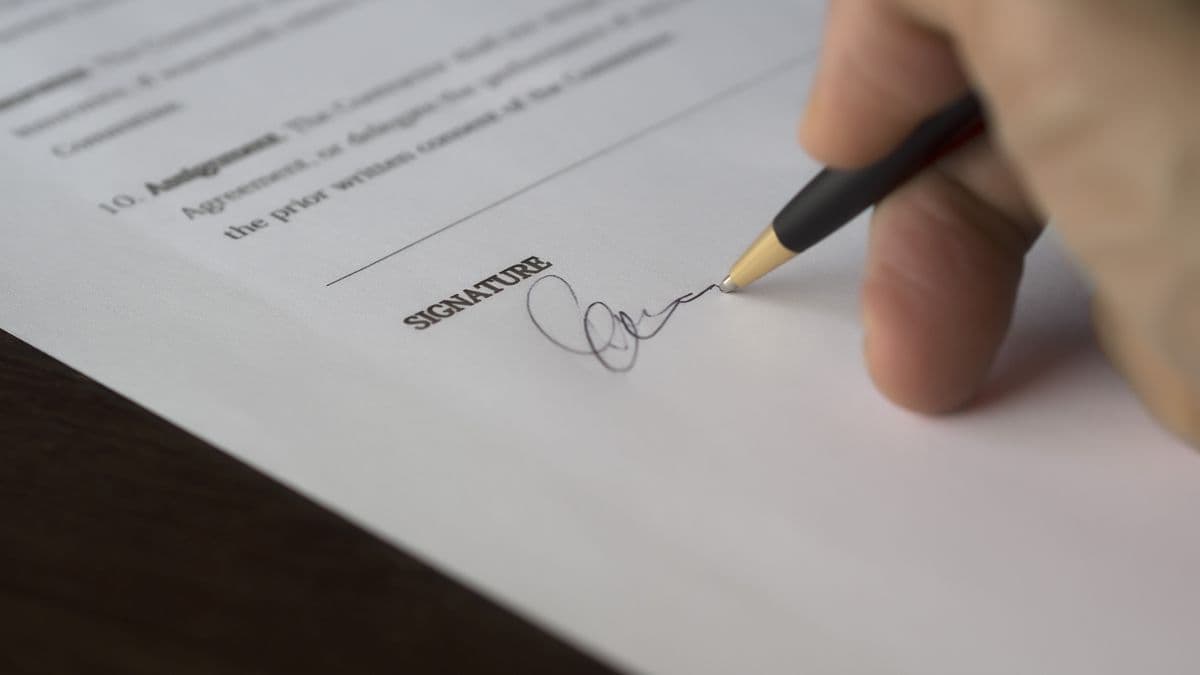
- Blank lines in the contract. Richmond Police specifically warned against signing contracts with blank spaces. A blank line can be filled in after you sign.
The Pressure to Decide Fast Is a Red Flag
Legitimate contractors do not disappear if you take a day to think. Scammers do - and they know it, which is why they push hard for an immediate decision.
"Storm repair can be stressful as it is and if you rush into it, it can make a bad situation even worse. So, you want to verify. You want to do your research before handing someone a lot of money. Take your time and do your research on the company and the person."
That is Lt. Jason Ducre of Gulfport PD, speaking to WXXV News 25. The advice applies whether you are dealing with flood damage or a kitchen remodel.
The NBC Connecticut investigation into a contractor identified as "Jason" is a useful reminder of how charm can substitute for credentials. Six homeowners told NBC Connecticut Responds they paid thousands for masonry, waterproofing, chimney, and foundation work that did not fix their problems. One homeowner, Liz Pereira of Millbury, Massachusetts, put it plainly:
"Don't believe the kindness. He's a manipulator, a liar."
A contractor who is personable and confident is not automatically trustworthy. Verify the license. Check the reviews. Read the contract.
A Practical Checklist Before You Sign
Before you commit to any contractor, run through this list:
- You have at least three written, itemized estimates.
- Each estimate covers the same scope of work - same materials, same tasks, same cleanup.
- The contractor's license is verified against your state's registry (or through a directory like Tavlee that does this verification for you).
- Proof of liability insurance and workers' compensation has been provided.
- The payment schedule is tied to milestones, not front-loaded.
- The contract has no blank lines and includes start date, completion date, and warranty terms.
- Permits are addressed - who pulls them and who pays for them.
- You have not been pressured to sign the same day.
- References have been checked - not just star ratings, but actual conversations with past clients.
- You know how to report fraud if something goes wrong.
Conclusion
Comparing contractor estimates is not about finding the cheapest price. It is about understanding exactly what you are buying, from whom, and under what terms. A lowball bid that skips permits, uses inferior materials, or demands cash upfront is not a deal - it is a liability.
Take the time to normalize each estimate, verify every license, and read every line of the contract before you sign. If a contractor makes that process feel inconvenient or unnecessary, that reaction tells you something important. The ones worth hiring expect you to ask questions.