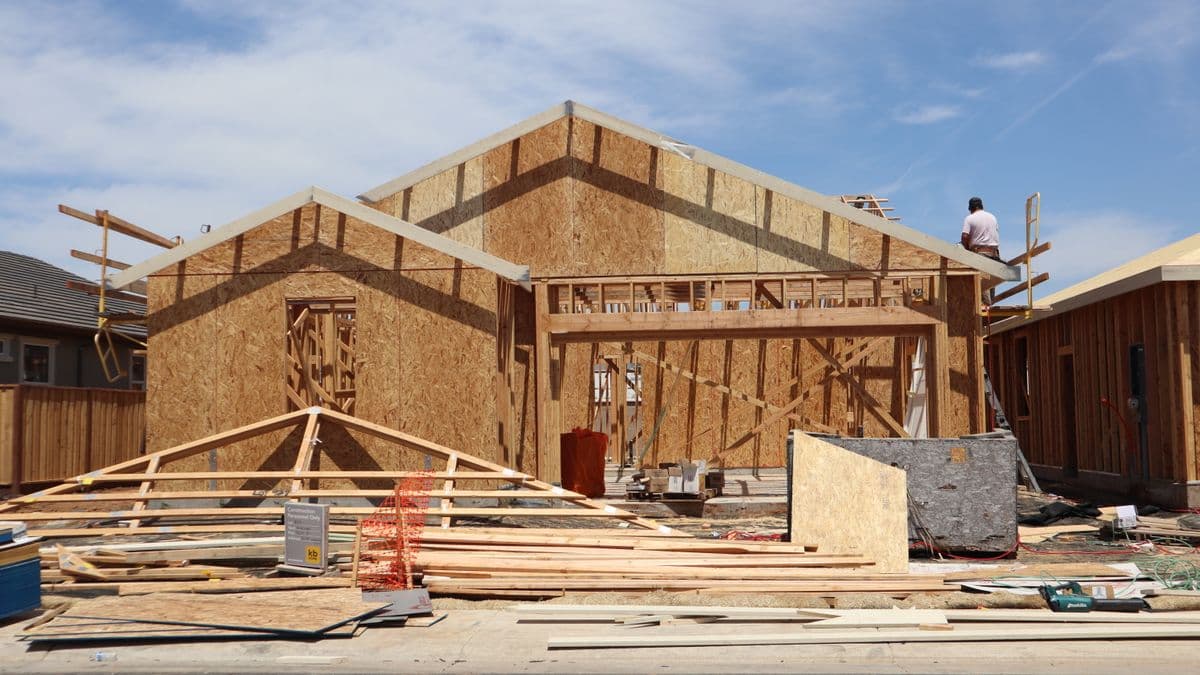
Building permits are not red tape. For Massachusetts homeowners, they are one of the most reliable tools you have to make sure the work done on your home is safe, legal, and worth what you paid. Skip them, or hire someone who skips them for you, and you could end up with structural problems, insurance headaches, and a house that is harder to sell.
Here is what permits and inspections actually do for you, and why the risks of unpermitted work are more serious than most homeowners realize.
What a Building Permit Actually Does
When a licensed contractor pulls a permit for your project, it triggers a chain of oversight that protects you at every stage. A local building inspector reviews the plans before work begins, then visits the site at key milestones to verify the work meets the Massachusetts State Building Code.
That inspection is independent. It is not the contractor checking their own work. It is a licensed official whose job is to catch problems before they are buried behind drywall or under a new floor.
Permits are required for most significant home projects, including structural changes, electrical upgrades, HVAC installations, additions, and many plumbing jobs. If a contractor tells you a permit is not necessary for a job that clearly warrants one, that is a warning sign worth taking seriously.
The Real Risks of Unpermitted Work
Your Insurance May Not Cover It
If unpermitted work causes a fire, flood, or structural failure, your homeowner's insurance policy may deny the claim. Insurers can argue that the work was not code-compliant and that you knowingly allowed it. That leaves you holding the full cost of repairs.
It Complicates Your Home Sale
When you sell your home, unpermitted work surfaces during the buyer's inspection or title search. You may be required to retroactively permit and bring the work up to code, which can be expensive and time-consuming. In some cases, work has to be torn out and redone entirely.
You Have No Independent Verification the Work Is Safe
Without an inspection, you are taking the contractor's word that the wiring, framing, or plumbing was done correctly. That is a significant amount of trust to place in someone you may have just met.
Unlicensed Contractors and the Permit Problem
Unpermitted work and unlicensed contractors tend to go together. A contractor who is not registered with the state has no license to lose, which removes one of the most effective deterrents against shoddy or fraudulent work.
A recent six-month investigation by NBC Connecticut Responds illustrates exactly how this plays out. The investigation identified six homeowners, including Liz Pereira of Millbury, Massachusetts, who said the same contractor, identified as "Jason," represented at least five different construction-related companies and collected thousands of dollars for masonry, waterproofing, chimney, and foundation work that they said failed to fix their problems.
"Don't believe the kindness. He's a manipulator, a liar," Pereira told NBC Connecticut Responds.
Homeowners described him as charming and trustworthy, and said warranties were not honored and phone numbers went dead. Homeland Security Investigations told NBC Connecticut that a similar pattern has been rising across New England, and that fraud groups are difficult to track because they "reinvent themselves" and move from state to state.
This is not an isolated story. Officials across the country are seeing the same pattern. After severe storms hit the Gulf Coast, WXXV News 25 reported that Gulfport officials warned residents about fake contractors promising quick repairs, demanding large upfront payments, and then disappearing or leaving unfinished work.
The Illinois Attorney General issued a similar warning after spring storms, urging residents to verify contractor credentials and check local permit requirements before signing anything.
"Be wary of any individual who solicits home repair or insurance adjusting services door to door," Attorney General Kwame Raoul said.
How to Protect Yourself Before Work Begins
Verify the License Yourself
Do not take a contractor's word that they are licensed. Massachusetts requires home improvement contractors to register with the Office of Consumer Affairs and Business Regulation (OCABR). You can search the state registry directly. A legitimate contractor will not hesitate when you ask for their license number.
A directory like Tavlee can make this step easier. Tavlee verifies contractor licenses against the state registry before listing them, so you are starting from a pre-screened pool rather than hoping a Google search turns up the right information.
Ask Who Pulls the Permit
On any project that requires a permit, your contractor should be the one pulling it, not you. If a contractor asks you to pull the permit yourself, that is a red flag. It can shift liability onto you and may indicate the contractor is not properly licensed to do the work.
Get Everything in Writing
A written contract should include the scope of work, materials, timeline, payment schedule, and warranty terms. As the Illinois Attorney General's office noted, written contracts are a basic protection, and you should never pay the full amount upfront. A reasonable deposit is normal; full payment before work is complete is not.
Read Reviews Critically
Reviews matter, but they can be gamed. Look for patterns across multiple platforms. Be skeptical of contractors with only a handful of glowing reviews and no history. As Gulfport officials advised, use social media and multiple sources to verify that a company is legitimate and has a real track record.
Know the Red Flags
- Unsolicited door-to-door offers, especially after a storm or weather event
- Pressure to decide immediately or sign on the spot
- Unusually low bids that seem too good to be true
- Requests for large cash or peer-to-peer app payments
- Reluctance to provide a license number or written contract
- Suggesting you skip the permit to save time or money
What to Do If Something Goes Wrong
If you suspect you have hired an unlicensed or fraudulent contractor, file a complaint with the Massachusetts Office of Consumer Affairs and Business Regulation. You can also contact your local police department; as the WXXV report noted, officials can open an investigation and create a formal record that may help catch repeat offenders.
Document everything: photos of the work, copies of contracts and receipts, and records of all communications. That paper trail is essential if you need to pursue a refund, file a complaint, or take legal action.
The Bottom Line
Building permits and inspections exist to protect you, not to slow down your project. They create an independent check on the work being done in your home, and they give you legal standing if something goes wrong. Unpermitted work removes that protection entirely.
Before you hire anyone for a significant home project, verify their license against the state registry, confirm they will pull the required permits, and get a written contract. Tools like Tavlee can help you start with contractors who have already been vetted, but the final due diligence is always yours to do. A few extra hours of research before you sign is far less painful than months of trying to fix a problem after the fact.